Alumni Spotlights
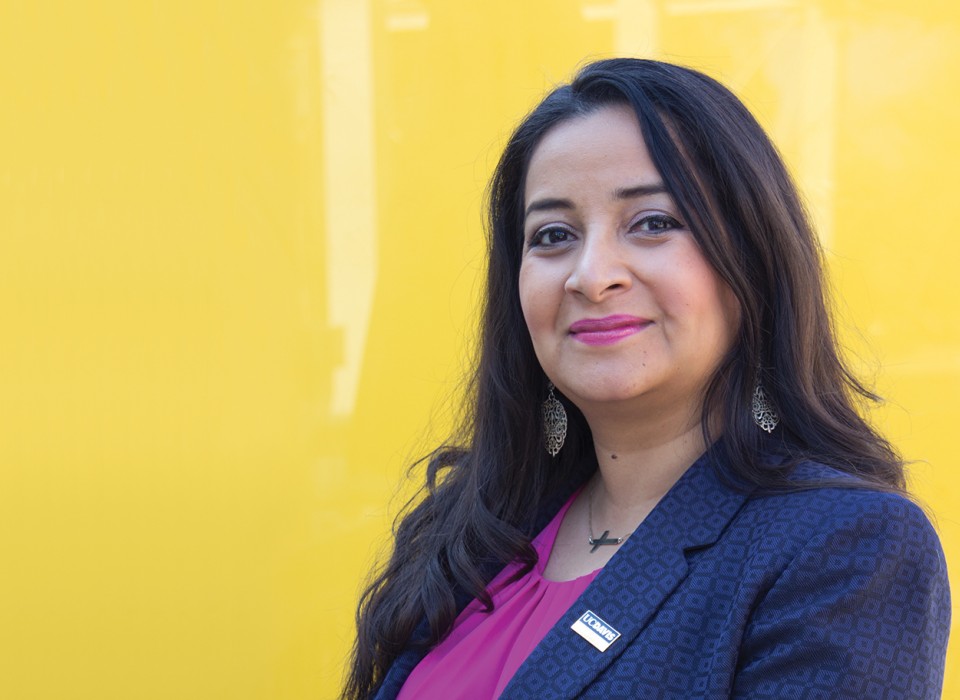
Lina Mendez
PhD '10
College can be challenging for even the best prepared students. For Chicanx and Latinx students, the transition to college and the rigor of their classes can be especially daunting. I know, both as a first generation Latina and as a researcher.
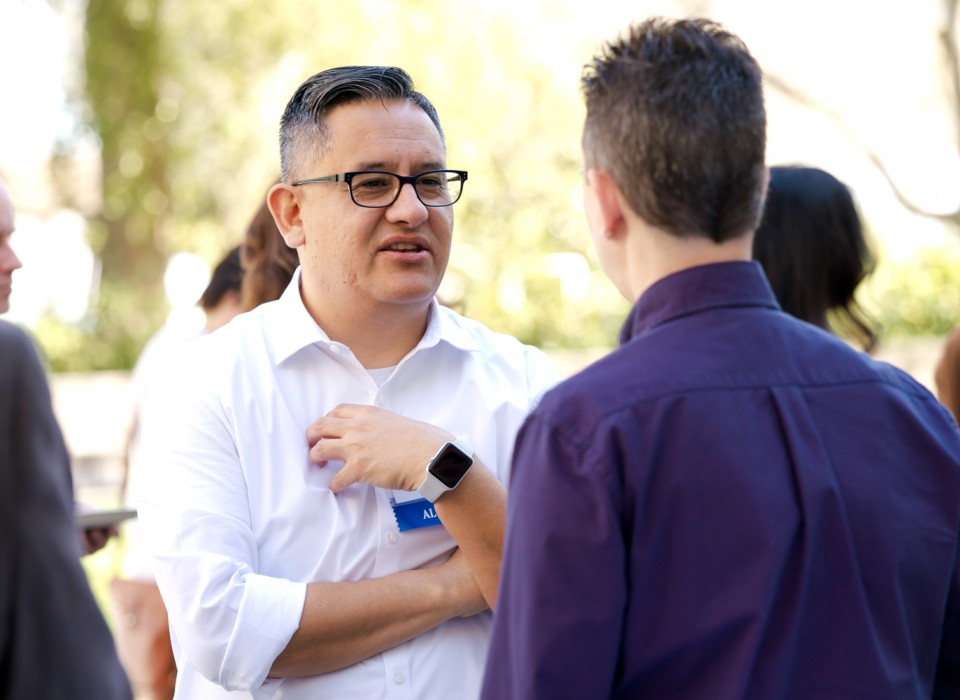
Pablo Reguerín
EdD '17
University of California, Davis, Chancellor Gary S. May has selected Pablo Guillermo Reguerín to be the next vice chancellor of Student Affairs. Reguerín currently serves as associate vice chancellor of student achievement and equity innovation at UC Santa Cruz, a position he’s held since 2017.
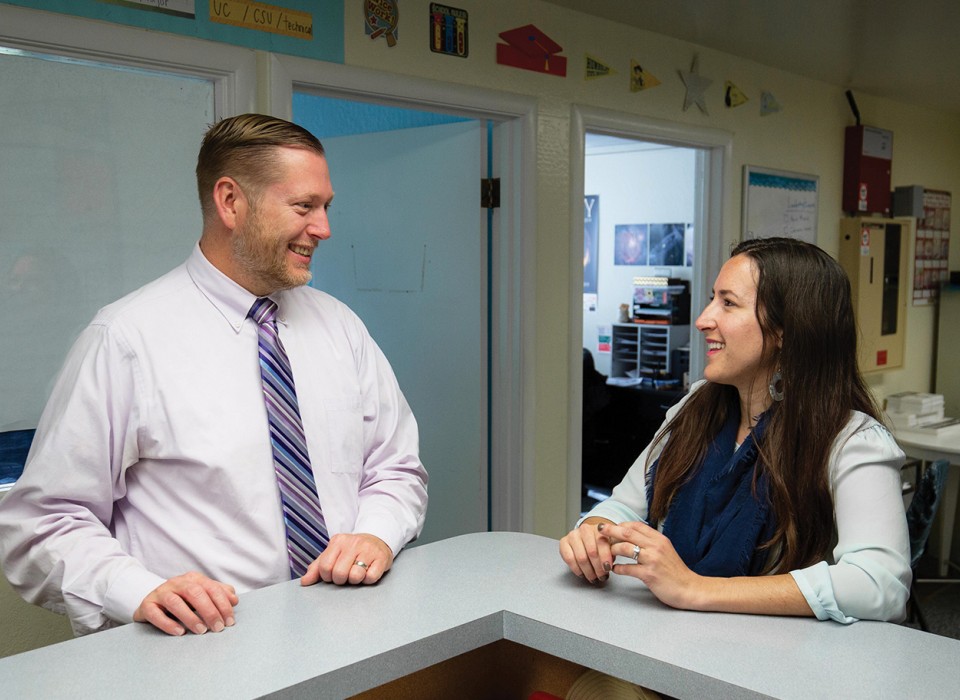
Stephanie Morgado and Byron Laird
Morgado (MA '15), Laird (EdD '18)
Partners in Leadership
What happens when two people who are passionate about making educational change join forces personally and professionally?
We spoke with current CANDEL student Stephanie Morgado (MA ’15) and alumnus Byron Laird (EdD ’18) about the challenges of being educational leaders, how they’re bringing social justice to their students and what it’s like to be married collaborators.
Cynthia Sommer
EdD '18
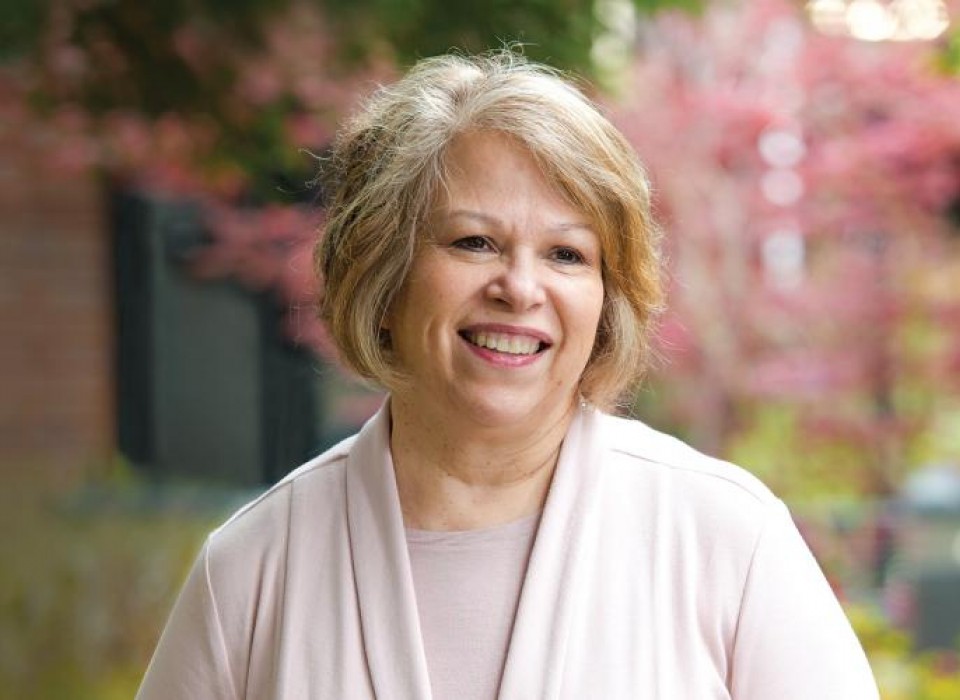
While in the CANDEL program, Cynthia Sommer (EdD ’18) rotated into various roles at California community college campuses, where the equity gap for Latinx students was troubling her. “Being a Latina and first-generation college student myself, I wasn’t comfortable with the easy story that these students were not ready for college or that their culture doesn’t appreciate having a higher education degree,” she said. “Given my own background and my experiences working with some of these students, I felt there was more to it.”
Kory Choe
Cred. '19
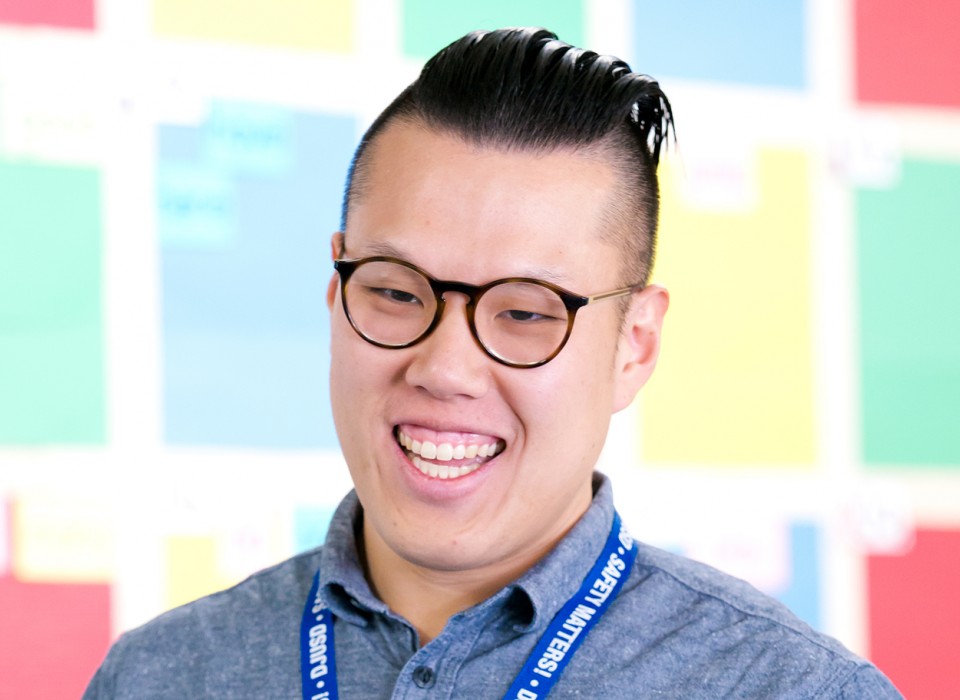
I moved around the East Coast and the Midwest a lot when I was growing up, and I had a difficult home life. In every school I attended it felt like I was the only Asian-American student, and I pretty much had every racist insult possible hurled at me.
During those years, I really needed a teacher who would invest in me as a person. I felt like I was just left to my own devices, struggling and not understanding.
Paul Cody
EdD '17
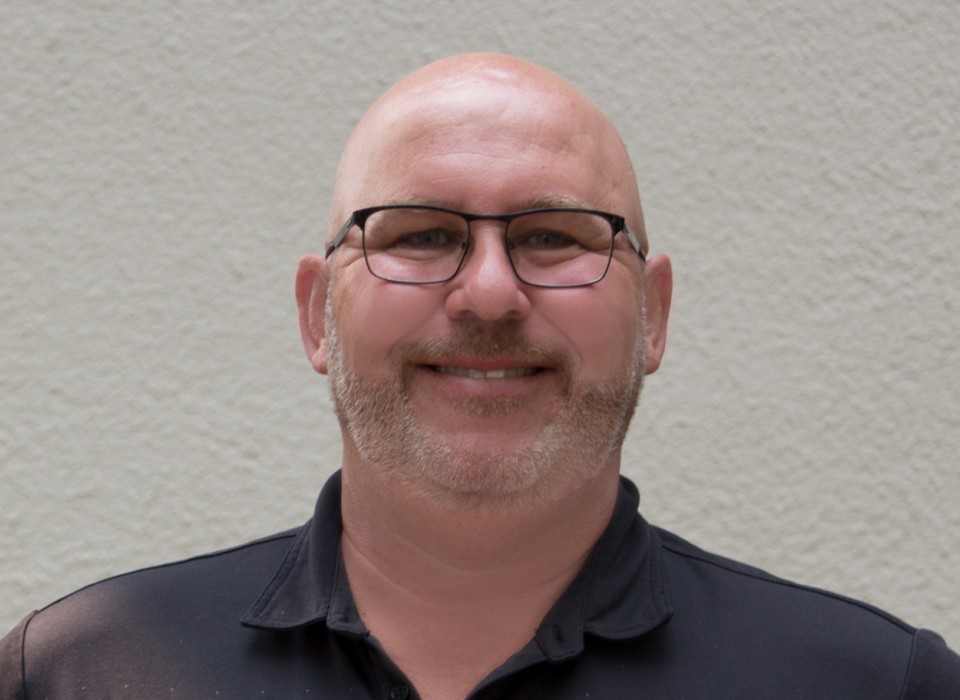
“It’s exciting to be working in an energetic environment where you’re helping students at a formative time,” said Paul Cody (EdD ’17). “Education is empowering.” Cody, who currently serves as the Assistant Director of the UC Davis Center for Student Involvement, learned firsthand about the power of education to change the course of a life. After dropping out of high school to work, he found his way back to the classroom to earn his GED.
Vickie Gomez
EdD '15
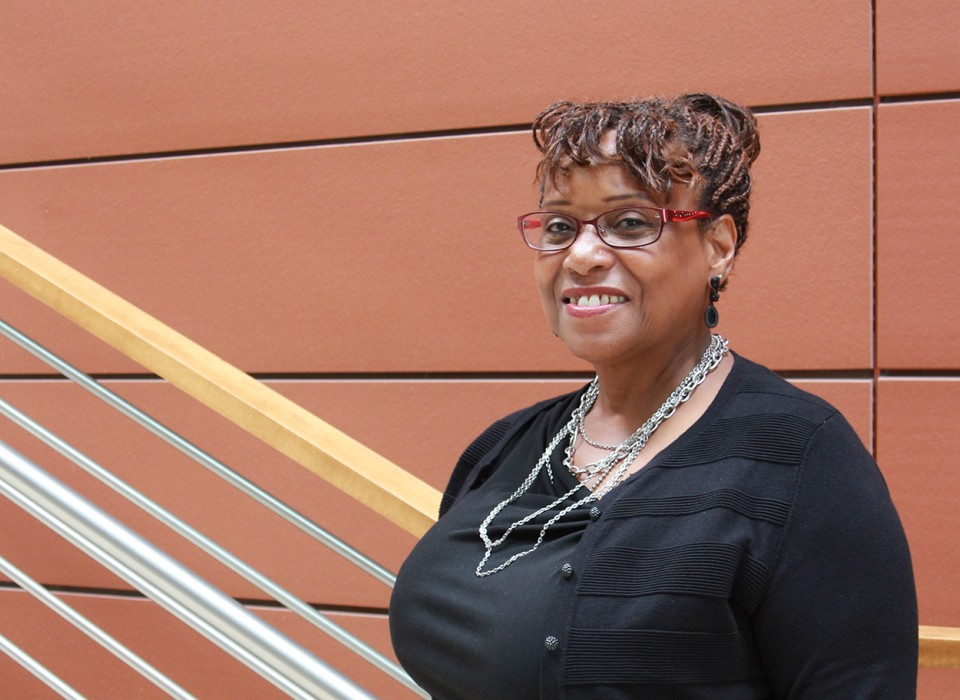
As the Director of Campus and Student Community Engagement, Vickie Gomez (EdD ’15) strives to make the initiatives and programs hosted at UC Davis as collaborative and responsive as possible. “How we communicate and build bridges between community members on campus and within the larger community all work toward building a better campus climate,” she said.
Susan Catron
EdD '12
“What excites me about working in the field of continuing education is the potential to have a substantial impact on people’s lives and career trajectories,” said Susan Catron (EdD ’12). As interim dean of UC Davis Continuing and Professional Education (formerly called UC Davis Extension), Catron focuses on how to best serve non-traditional, part-time adult learners regionally and globally using a variety of educational delivery approaches.
Mayra Llamas
EdD '17
While others were exploring past civilizations or asking questions in a laboratory, Mayra Llamas (EdD ’17) spent her undergraduate days thinking about her peers and how to create a university that served their needs. “I started college at California State University, Monterey Bay one year after it opened and I was a tour guide and student assistant at the Student Information Center,” said Llamas. “I spent a lot of time thinking about recruitment and how to tailor a tour experience to certain groups with different goals in mind.
Joe Radding
EdD '10
Joe Radding (EdD ‘10) hasn’t always worked in the field of education, but once he made the switch, he knew it was the right choice. “About halfway through my 35-year career in state government, I moved to the California Department of Education (CDE) from a non-education entity,” he said. “I had always had an interest in education, and this was a pivotal move for me because I found a home. I never wanted to leave the field of education. I believe that education is the most powerful game changer when it comes to breaking cycles of poverty and advancing our society.
Lorena Ruedas Jauregui
'06, EdD '16
Lorena Ruedas Jauregui (’06, EdD ’16) is building her career in education around two ideas that have been important to her since the early years of her own education: inclusion and mentorship. “As a granddaughter of Mexican immigrants and a daughter of educators, I’m passionate about being an advocate for students from historically underserved populations,” she said.
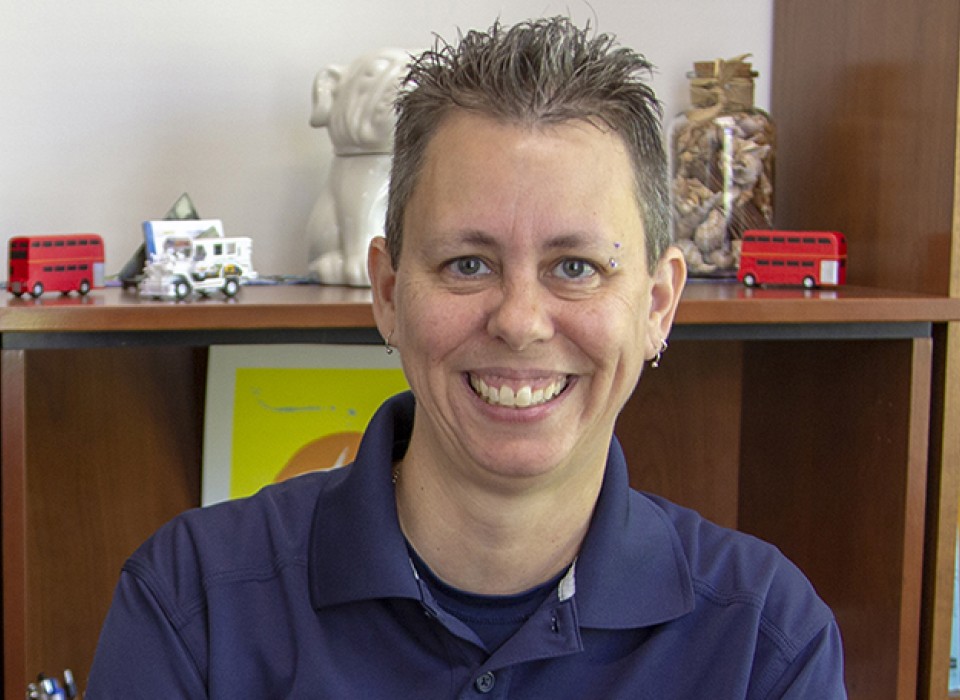
Sheri Atkinson
EdD '14
Sheri Atkinson (EdD ’14) realized early in her career that working in higher education was the best way to make a meaningful contribution to the world. “I have a passion for social justice, and that type of work can take place in a number of different contexts,” she said. “The college environment is a special place for doing this type of work because you’re impacting the lives of students who are full of energy and the potential for growth. For me, it’s about making space to give back to the field of education that helped support me in my own growth.”
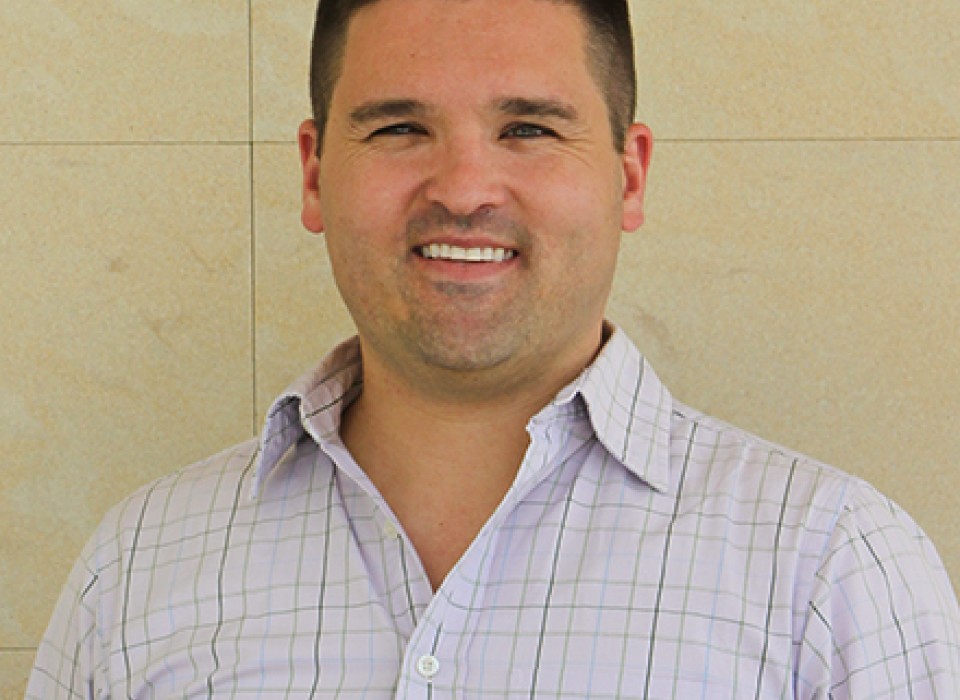
Thomas Whitcher
EdD '18
Two things have been especially important to Thomas Whitcher (EdD ’18) throughout his career: education and interpersonal networks. “In all the various roles I’ve served at universities, I’ve always been fascinated by how teams operate and how to leverage people’s strengths to best support a team,” he said.
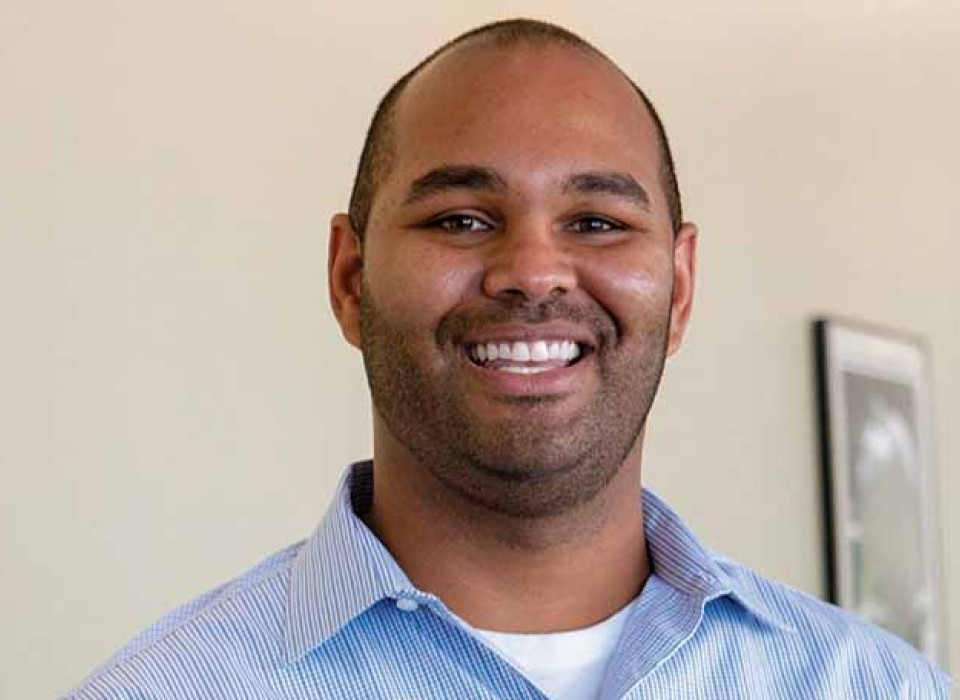
Lyndon Huling
'07, EdD '18
“I’m passionate about making UC Davis a welcoming and inclusive community for everyone,” said Lyndon Huling (’07, EdD ’18). “This is vital to the mission of UC Davis and to me personally.”
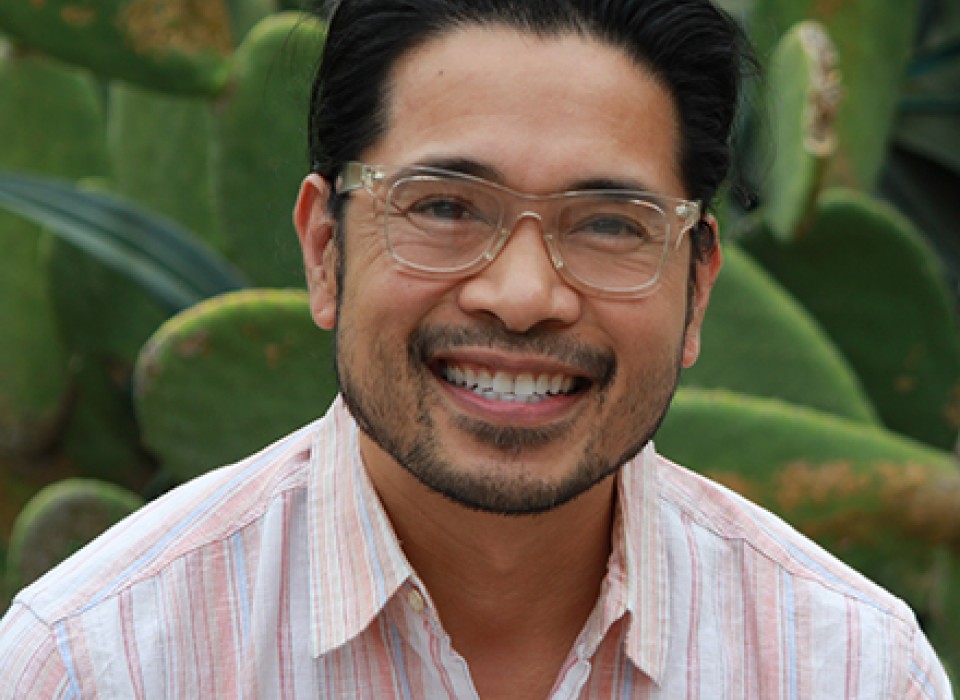
Mikael Villalobos
'93, EdD '14
Mikael Villalobos (BA ‘93, EdD ‘14) has dedicated his career to diversity and inclusion within the field of higher education. In his current role at UC Davis as Associate Chief Diversity Officer with the Office of Campus Community Relations in the Office of the Chancellor, he strives to play an active role in building a more diverse and inclusive campus community. “Through education, this institution has the premise and promise for changing lives,” he said. “I firmly believe that it truly serves as the great equalizer.”
Slilma Tukey and Steve Platt
Tukey: Cred. '17 Platt: Cred. '17
We asked Slilma Tukey (Cred. ’17) and Steve Platt (Cred. ’17), both Air Force veterans beginning their teaching careers later in life, to talk to us about why they joined the military, why they’re making the change to teaching, and how their experiences in the military affect their teaching practices.
Why did you choose an Air Force career?
Justin Nunes
Ag Ed Cred. '17
For my tenth birthday my parents turned our greenhouse into an aviary so I could raise birds. Our elementary school actually took field trips to our backyard to see all our pets and animals. These experiences ignited my passion for sharing agriculture.