
Margarita Jimenez-Silva
Professor
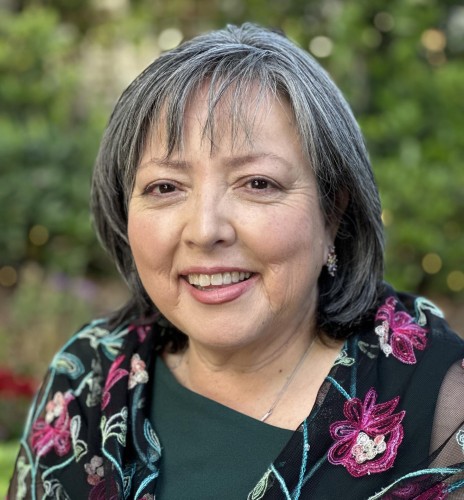
Prof. Margarita Jimenez-Silva’s research focuses on preparing and supporting teachers to work with culturally and linguistically diverse learners, especially in addressing emergent bilinguals’ linguistic and academic content development. More specifically, her research strands include teacher education pedagogy and curriculum, educational policy, and family/community engagement. Her research has been published by journals such as Harvard Educational Review, Childhood Education, and the Journal of Research on Childhood Education.
Danny C. Martinez
Professor and Chancellor’s Fellow

Danny C. Martinez is Professor in the Language, Literacy, and Culture program area in the School of Education. His research explores the cultural, racial, and linguistic experiences of Black and Latinx youth in literacy learning contexts, and teacher learning as it relates to leveraging youths’ rich communicative resources. His research is inspired by his experience as a literacy teacher in San Francisco and Los Angeles.
Claudia Rodriguez-Mojica
Associate Professor of Teaching in Education and Bilingual Coordinator–Spanish
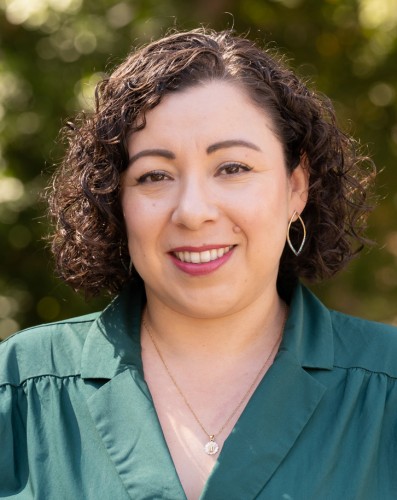
Dr. Claudia Rodriguez-Mojica is an Associate Professor of Teaching in Education and the Spanish Bilingual Authorization Coordinator. A UC Davis alumnus, she earned her bachelor’s degree in human development and minor in Chicana/o Studies from UC Davis. While at UCD, she participated in the California Mini-Corps program where she served as a teaching-assistant in schools with large numbers of migrant students. She received her multiple subject teaching credential with a bilingual authorization (formerly known as BCLAD) from CSU Sacramento.
Rebecca Rosa
Lecturer/Supervisor, Social Science Credential
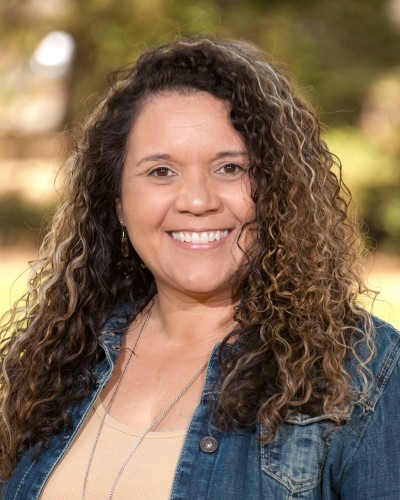
Alicia Rusoja
Assistant Professor
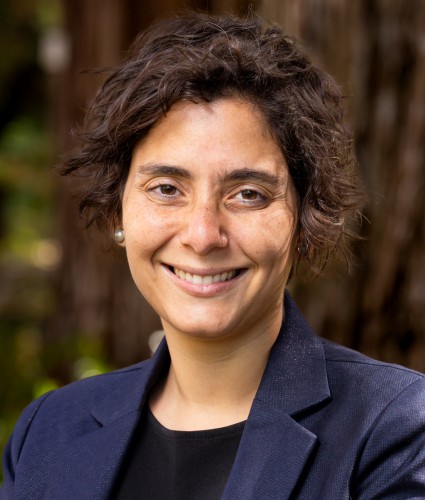
Dr. Alicia Rusoja’s interdisciplinary research lies at the intersection of Latinx/Chicanx studies, critical education/critical literacy studies, and university-community/research-practice partnerships. As a Latina immigrant and activist-scholar, she employs participatory and critical community-based qualitative research methodologies to understand the immigrant rights organizing of Latinx immigrant youth, adults and families.
Yuuko Uchikoshi Tonkovich
Professor
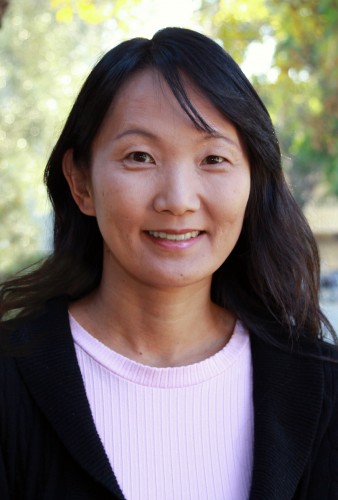
Research Interests
Early Childhood; Multilingual Learners; Bilingualism and Bilingual Education; Educational Television and Multimedia; Language Acquisition; Early literacy Development; Quantitative Methods
Professional Experience
Professor, School of Education, University of California, Davis, 2019–present
Associate Professor, School of Education, University of California, Davis, 2012–2019
Assistant Professor, School of Education, University of California, Davis, 2004–2012