
An Update from Salmon in the Classroom: GEAR UP Collaboration Brings Student Science to Life
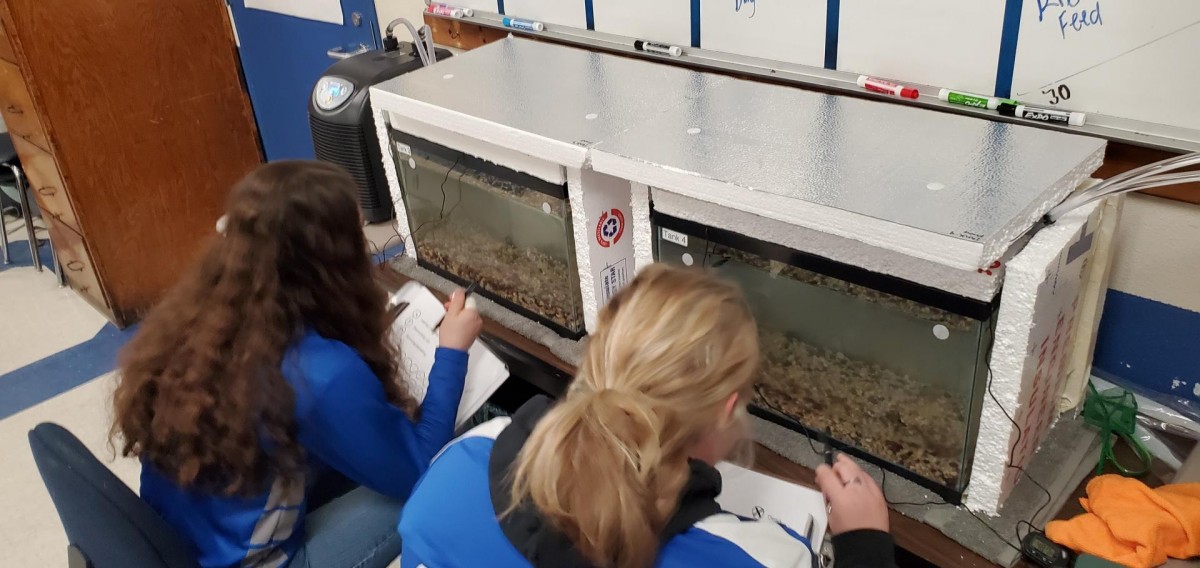 As scientists investigate the cause
of thiamine deficiency in California’s Central Valley salmon,
high school classrooms across the region were given the unique
opportunity to contribute real-time data to this ongoing
research—thanks to our ongoing partnership with the GEAR UP STEM
Rural Valley Program (RVP).
As scientists investigate the cause
of thiamine deficiency in California’s Central Valley salmon,
high school classrooms across the region were given the unique
opportunity to contribute real-time data to this ongoing
research—thanks to our ongoing partnership with the GEAR UP STEM
Rural Valley Program (RVP).
Thiamine Deficiency Complex (TDC) was first documented in California’s salmon in 2020. Juvenile salmon impacted by TDC often exhibit spinning, lethargy, and eventually death. To better understand the role thiamine plays in salmon survival, a coalition of researchers from the UC Davis Center for Community and Citizen Science, the Center for Watershed Sciences, NOAA Fisheries, and the Department of Fish and Wildlife developed a classroom-based observation protocol and lesson sequence through the Aquariums In the Classroom program.
This year, the project expanded significantly through collaboration with the GEAR UP STEM RVP, which provided critical support for implementation across multiple high schools. All participating teachers were part of the GEAR UP network in Glenn, Tehama and Colusa Counties. Teachers received training in best practices for engaging youth in citizen science. These teachers were supported not only by the research team but also by GEAR UP advisors, who provided ongoing mentorship and ensured smooth integration with school programming.
GEAR UP funding made it possible for schools to receive all necessary materials for classroom aquariums. Students in the GEAR UP program monitored salmon behavior and mortality over eight weeks, submitting their data bi-weekly to a collaborative online platform where they could compare findings with peers across four Central Valley counties. In total, over 600 students participated in the program this year.
Students’ observations are helping to quantify the relationship between egg thiamine levels and juvenile survival—a key missing piece in the broader scientific effort to address TDC. Meanwhile, lessons were scaffolded to help students understand both the science of thiamine deficiency and the larger environmental issues facing Central Valley salmon populations.
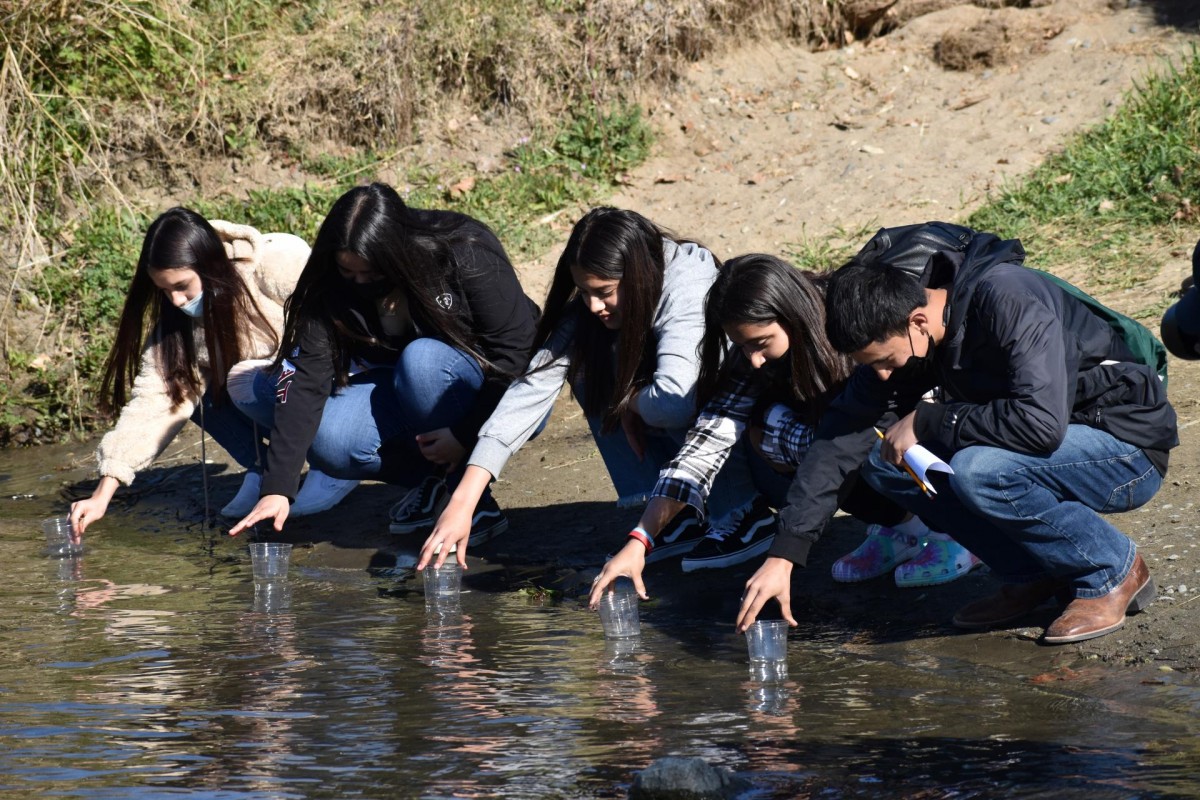 In addition to regular classroom
activities, GEAR UP also funded a range of enrichment
experiences. Classrooms joined virtual Q&A sessions and a
guest speaker series, connecting directly with researchers to
learn about STEM college pathways and careers in fisheries
science. At the conclusion of the program, many students will
then participate in a culminating field trip to release their
juvenile salmon into the river system—an experience made possible
through GEAR UP support and often cited by students as a
highlight of the year.
In addition to regular classroom
activities, GEAR UP also funded a range of enrichment
experiences. Classrooms joined virtual Q&A sessions and a
guest speaker series, connecting directly with researchers to
learn about STEM college pathways and careers in fisheries
science. At the conclusion of the program, many students will
then participate in a culminating field trip to release their
juvenile salmon into the river system—an experience made possible
through GEAR UP support and often cited by students as a
highlight of the year.
As one participating teacher reflected, “Overall, I have found that the most valuable part of this program is understanding the mechanisms of the watershed and how salmon are entwined with it. Being able to share this relevancy with students and learning about it has shown to be an engaging opportunity for students to practice with what science looks like in practice.”
This collaboration demonstrates the power of combining citizen science, strong teacher professional learning, and strategic student support. By bringing together the expertise of scientists with the reach of the GEAR UP network, the project not only contributed valuable data to an urgent ecological issue—it also inspired the next generation of STEM learners.