
publication: How establishing a marine protected area network has shaped community and citizen science along California’s coast
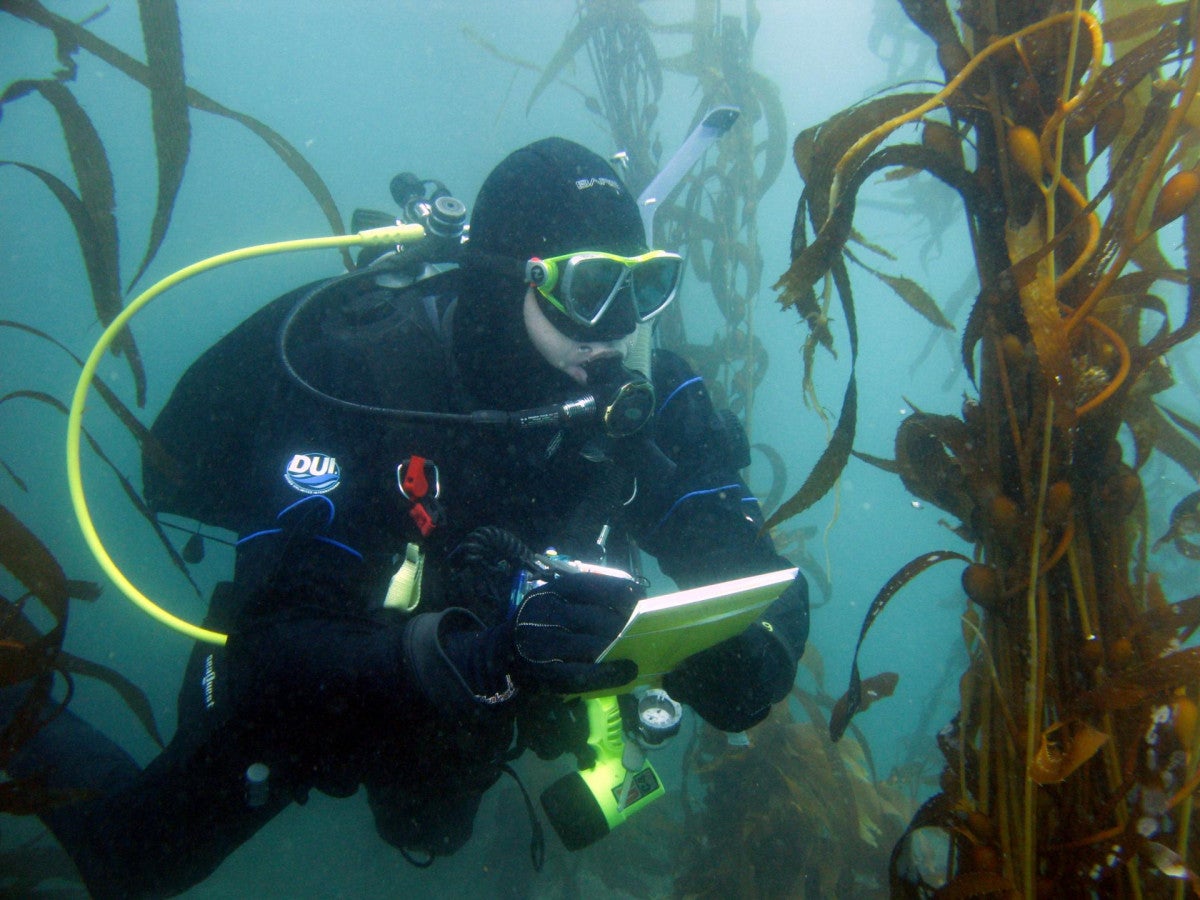 Research and monitoring are key to
measuring the success of adaptive management strategies in marine
conservation. Through community and citizen science (CCS),
volunteers can become involved in various stages of research and
monitoring. CCS can strengthen partnerships, help collect large
amounts of high-quality data, and be a way to achieve education
and stewardship goals. For marine conservation, constantly
changing policy, funding, and other forms of support influence
how CCS is used for research and monitoring.
Research and monitoring are key to
measuring the success of adaptive management strategies in marine
conservation. Through community and citizen science (CCS),
volunteers can become involved in various stages of research and
monitoring. CCS can strengthen partnerships, help collect large
amounts of high-quality data, and be a way to achieve education
and stewardship goals. For marine conservation, constantly
changing policy, funding, and other forms of support influence
how CCS is used for research and monitoring.
This study looks at the development of CCS monitoring programs in California’s Marine Protected Areas (MPAs). Since 2007, a collaboration among state agencies, private funders, and community groups have supported a wide range of CCS projects as a core part of their monitoring strategy. Tens of thousands of volunteers have collected data and contributed to policy, education, and compliance efforts. The study assesses how CCS has evolved in response to the state’s monitoring framework, revealing complex interactions between funding, partnerships, and institutional support. The findings offer guidance for integrating CCS in long-term conservation strategies.
Guiding questions
- How has CCS been influenced by the implementation by MPAs?
- How can conservation managers, policy makers, and CCS practitioners best leverage the opportunity of public participation in research and monitoring for conservation in MPAs?
Methods
The research team conducted surveys and interviews with CCS program leaders. The research team also interviewed members of the MPA Statewide Leadership team, state-level partners involved in implementing California’s MPA program. Questions teased out dynamics between MPA implementation and CCS programs and looked at the following components of CCS capacity, including:
- Participants (the volunteers involved in CCS activities)
- Data (the information collected by the various CCS programs)
- Program (structural elements such as training requirements, or geographic scope)
- Finances (operational costs, and fundraising dynamics)
- Staff/Partners (human capacity required to operate the program)
Key findings
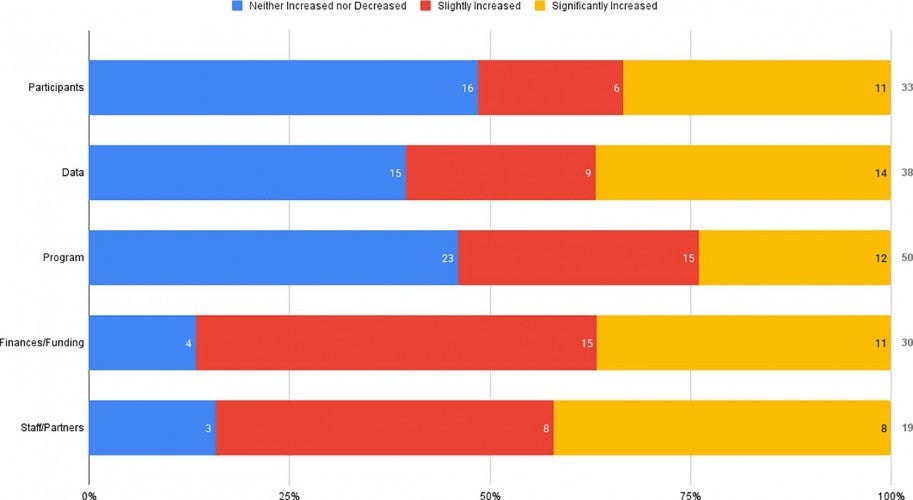 CCS capacity in response to MPAs
broadly increased.
CCS capacity in response to MPAs
broadly increased.
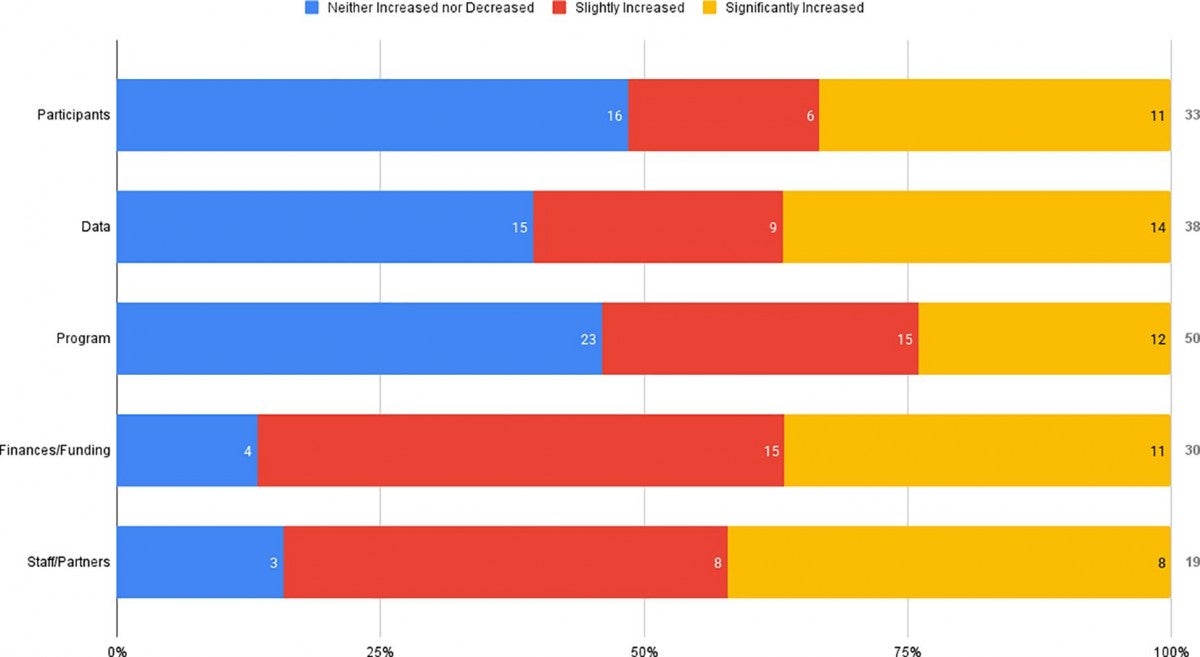
Capacity held steady or increased across all categories that were investigated, for all CCS programs studied. No program reported a decrease.
State funding is not the only way that MPAs support CCS.
CCS programs that did not receive funding for MPA monitoring still saw multiple benefits from the implementation of MPAs. For example, some programs reported that MPAs were useful in recruiting volunteer participants, or securing funding from other sources. This does not imply that all observed benefits would have occurred without some amount of monetary support for CCS monitoring of MPAs. But although direct funding for CCS monitoring is important for generating high priority data, it is not the only avenue through which this conservation policy can broadly benefit CCS programming in the state.
California’s MPA program has shaped CCS capacity to meet its needs.
The promise of long-term monitoring provides incentives for participating CCS programs to improve their practices, and adapt to state priorities. For example, some programs improved their data management practices, while others added new trainings and programming specific to MPAs.
“Our numbers are naturally rising as we grow our staff, as we grow the support that we need on the back end to be able to finance things. But also as we grow our network between not just teachers but also our partners that we kind of meet through the MPA Network … I think where our strength lies is the fact that we have partnerships not just in academia or out in our fields through informal education and educators in schools” – Crystal Cove Conservancy Program Leader
The study also identified some challenges, including:
- A lack of clarity about the consistency and predictability of state funding, and about who can access funds and how, has implications for CCS program sustainability.
- Communication gaps between CCS programs and state-level MPA leaders can weaken the positive feedback loops noted above, with potential consequences for volunteer motivation and retention.
- Occasional misunderstandings about mutual expectations between MPA leaders and CCS programs related to issues such as data management and reporting, has potential consequences for trust and credibility on both sides of this dynamic.
Recommendations for California’s MPAs
 This study provides a snapshot of
an array of impacts from multiple perspectives of those directly
involved in MPA planning and decision-making in addition to
implementers and facilitators of participatory monitoring
activities and programs.
This study provides a snapshot of
an array of impacts from multiple perspectives of those directly
involved in MPA planning and decision-making in addition to
implementers and facilitators of participatory monitoring
activities and programs.
- Recognize and build programming around the symbolic value of MPAs for CCS programs. Volunteers, staff, and funders of CCS can feel like they are contributing to something larger, and something tangible, when they see the connection between their work and the MPA program.
- Future funding should build on and support the unique dynamics of CCS (as opposed to professional monitoring). Create specific opportunities for ongoing and new forms of CCS related to MPAs.
- Build community among CCS programs, regardless of financial support, to support a positive feedback loop between CCS and conservation outcomes.
- Monitor impacts over time: Use surveys, interviews, or participatory evaluation to continually assess how CCS programs are evolving in response to MPAs or other conservation interventions.
Implications for CCS in conservation
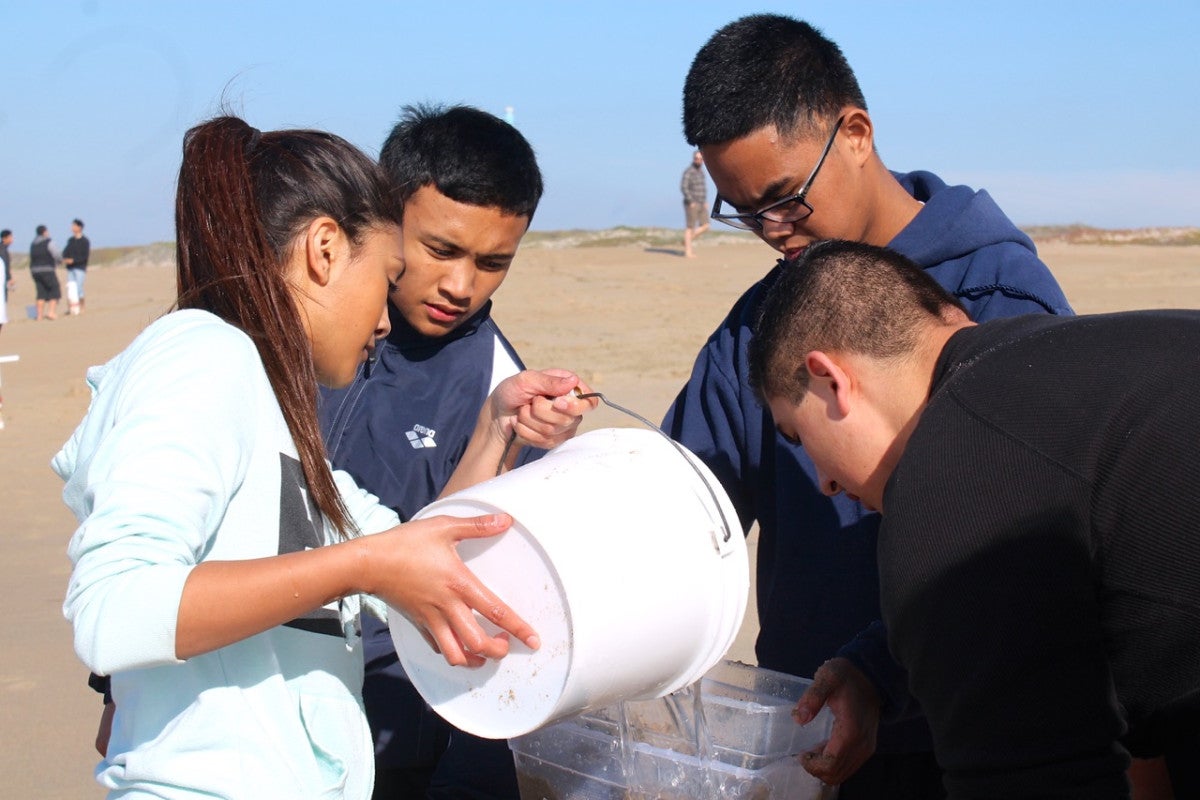 While many have focused on how CCS
can achieve conservation goals, this work shows how conservation
policies and programs can foster and support CCS, for mutual
benefit.
While many have focused on how CCS
can achieve conservation goals, this work shows how conservation
policies and programs can foster and support CCS, for mutual
benefit.
CCS program leaders consistently reported no decreases in program-related elements, with many noting increases in participant engagement, data quality, program capacity, and funding opportunities. Notably, programs initiated alongside MPAs tended to report more favorable outcomes compared to pre-existing initiatives, suggesting a beneficial synergy between MPA implementation and CCS activities that were designed specifically around MPAs.
The qualitative insights gathered from interviews with both MPA leaders and CCS program leaders added depth to these findings, illustrating the nuanced ways in which MPAs have enhanced participant engagement, refined data practices, and fostered stronger partnerships and funding avenues. Conversely, MPA leaders provided high-level perspectives on the evolving role of CCS, emphasizing the importance of collaboration and data alignment. Beyond their role in providing data for MPA monitoring, CCS programs generate a wide range of broader social and ecological benefits.
Access: Harwell, T. A., Meyer, R. M., & Ballard, H. L. (2025). How Establishing a Marine Protected Area Network has Shaped Community and Citizen Science along California’s Coast. Frontiers in Marine Science, 12, 1548864. https://doi.org/10.3389/fmars.2025.1548864
Contact: Ryan Meyer, rmmeyer@ucdavis.edu
Funding: This work was supported by The David and Lucile Packard Foundation (Grant #2021-72424) and the Resources Legacy Fund (Grant #15345).