
M.A. Alumna Examines Finnish and U.S. Education Systems Through Fulbright Program
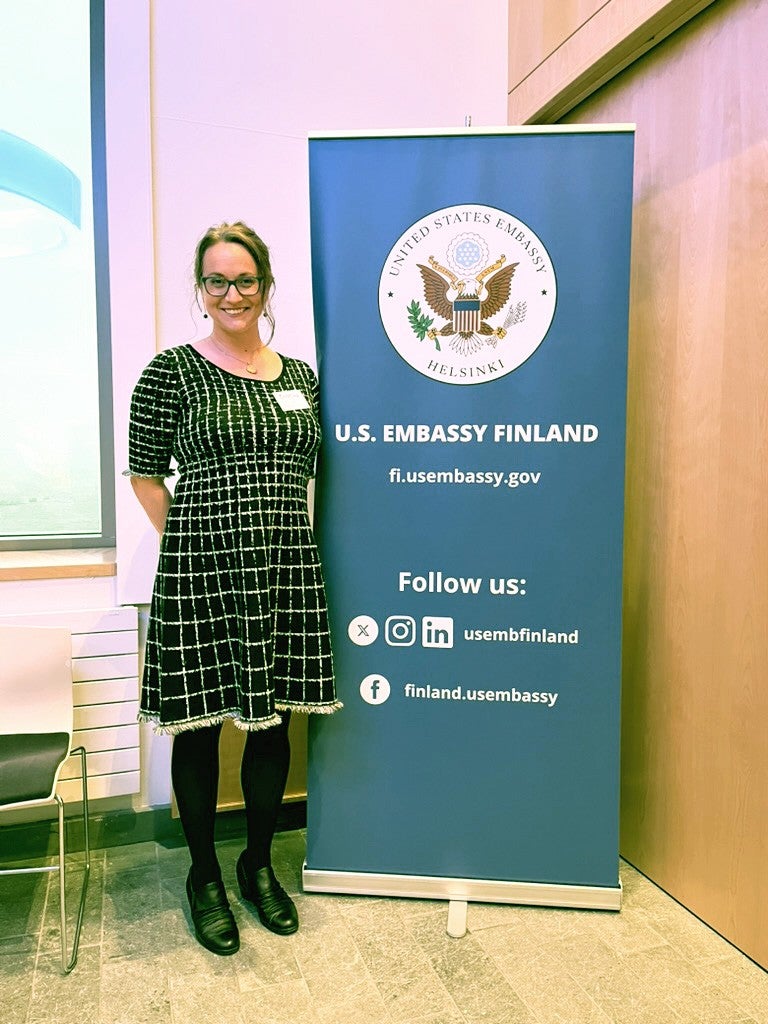 Cristina Buss, Cred. ’09, M.A. ’10, was one of 11 K-12 school
administrators selected to participate in the 2025 Fulbright
Leaders for Global Schools Program. The program, which aims to
deepen administrators’ commitment to preparing the next
generation for success, sent this year’s participants to Finland
for 10 days, where they examined the Finnish education system and
explored educational models and strategies to deploy in their own
work.
Cristina Buss, Cred. ’09, M.A. ’10, was one of 11 K-12 school
administrators selected to participate in the 2025 Fulbright
Leaders for Global Schools Program. The program, which aims to
deepen administrators’ commitment to preparing the next
generation for success, sent this year’s participants to Finland
for 10 days, where they examined the Finnish education system and
explored educational models and strategies to deploy in their own
work.
“The Fulbright teacher exchange programs have been on my radar for years,” said Buss. “I felt passionate about expanding my learning, and with support from my team, decided that now was the right time to pursue this incredible opportunity.”
While Buss had many reasons for applying to the Fulbright program, her main goal was to learn how to best serve students who have been left behind by traditional schooling. She is currently the vice principal for Visions In Education, an independent study charter school, where she oversees more than 600 students based in the Sacramento region. As a primarily virtual learning environment, her school is a supportive space for students who experience social anxiety, peer pressure, or other challenges coming to class in person.
“I have seen too many students struggle to graduate high school without sufficient support, and then enter a future for which they are not prepared,” she wrote in her application materials. “I hope to bring back best practices for supporting all students and to learn how to hold systems accountable for their outcomes.”
Creating Space for Student Success
When it comes to her career trajectory, Buss takes her lead from
students. Her original professional goal was to become a science
teacher and guide her students through a curriculum that
strengthened their knowledge of local ecosystems. However, Buss
soon realized that she wasn’t having the impact she had hoped to
achieve in the high school science classroom.
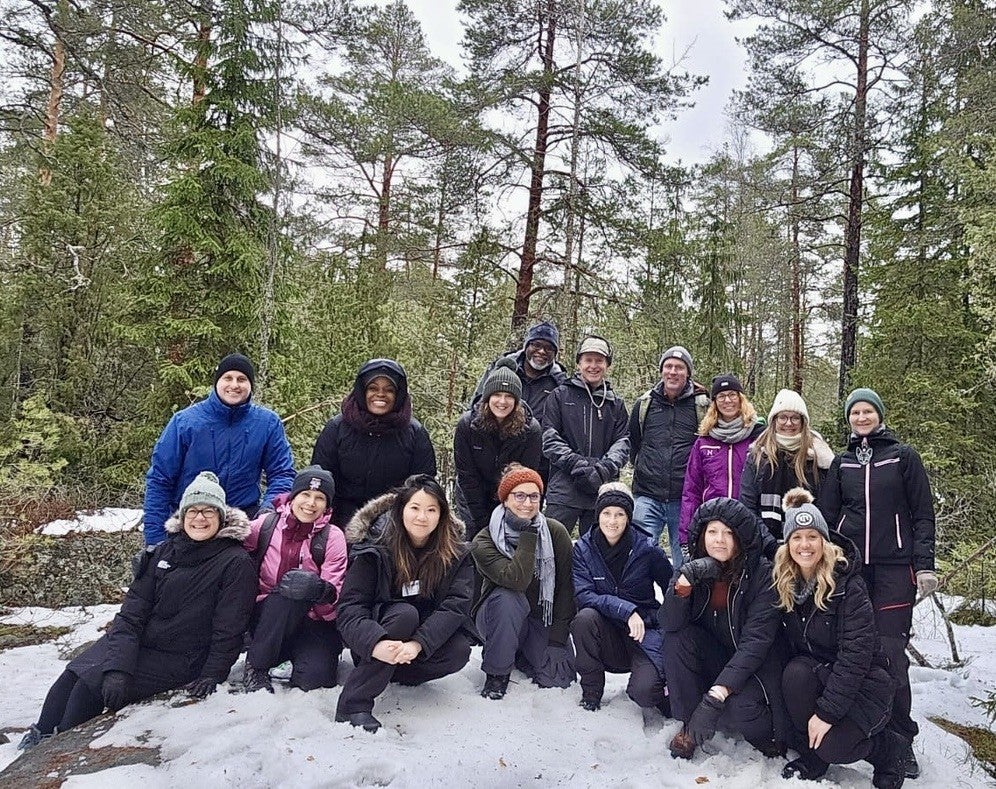 “I saw the level of need my
students had,” she said. “It’s hard to get students to care about
the producers and the primary consumers in an ecosystem when
they’re struggling to have their basic needs met. That’s where my
passion went, and shortly after that I moved into administration
so that I could have a bigger impact.”
“I saw the level of need my
students had,” she said. “It’s hard to get students to care about
the producers and the primary consumers in an ecosystem when
they’re struggling to have their basic needs met. That’s where my
passion went, and shortly after that I moved into administration
so that I could have a bigger impact.”
Buss now works closely with students who aren’t coming to or passing class to design intervention plans that help them get back on track. During her conversations with these students, she clarifies what they need to accomplish and how she can support them. She also asks questions about what they want from the school: “‘What brought you to independent study, and how can we make this work for you? What do you want to get out of this experience? Where are you going next?’”
Buss doesn’t build relationships with students in the same way that she did as a teacher, but she sees the indirect impact of her work on their success. One student she coordinated with during the intervention process had been experiencing depression and anxiety that impacted her learning. Through the support of her teacher and the eventual development of a 504 plan, the student began to engage with school more consistently. At the mid-year graduation ceremony, she also delivered one of the keynote graduation addresses.
“The student’s graduation speech was beautiful,” said Buss. “She talked all about her battle with depression and her mental health. She also spent much of her speech thanking her teacher who had worked so hard to connect with her. I stood next to her family at graduation and their cheers were an important reminder of why I decided to become an administrator. I was grateful to know that I had a hand in creating that moment: that I helped build the space for her teacher to come in, be the support she needed, provide the right accommodations, and then help her cross that stage.”
A Better Understanding of U.S. Education
Buss and her cohort were continually impressed by how well the
Finnish education system monitors student outcomes, even well
after they’ve graduated from school.
“Instead of worrying about whether students are passing tests, Finland is looking at whether their schools are making good people who can live the lives they want to have,” said Buss. “Five years after graduation, they track how many former students are employed, in the military, or receiving further education. But they pay closest attention to the students who aren’t doing any of these, and try to understand why that occurred and how they could be better supported.”
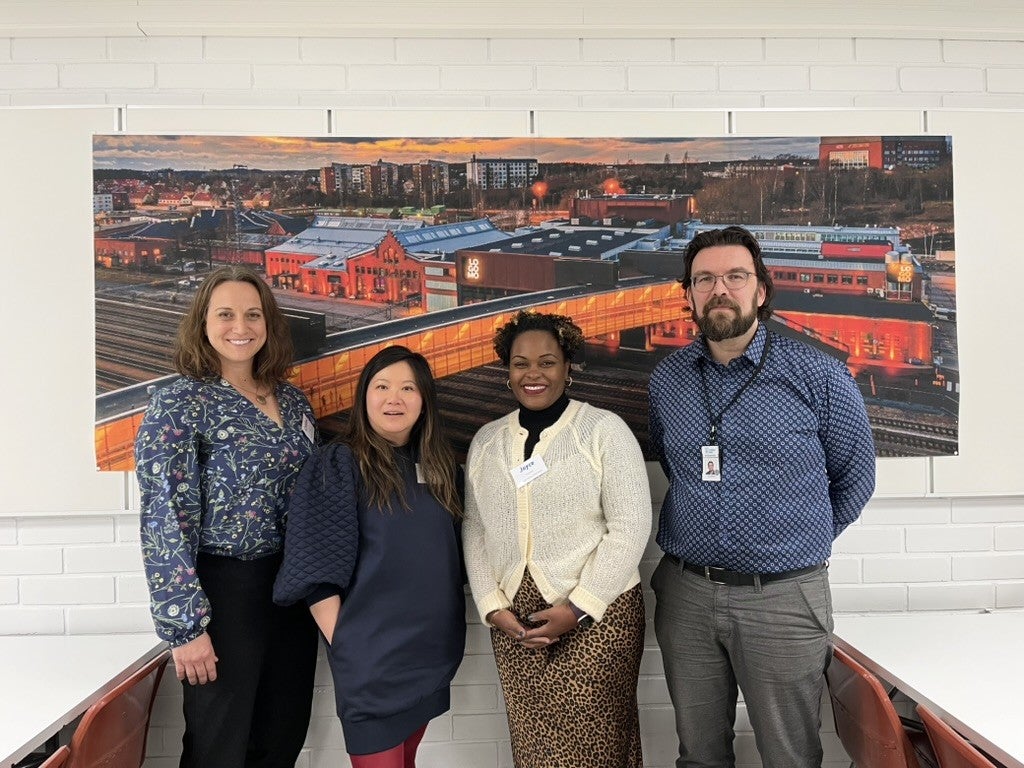 Buss acknowledges that many of the
reasons Finland can deliver more individualized attention to
students is because of their population size. However, she still
sees significant overlap between the Finnish and U.S. education
systems. “The differences I did find seemed to be more based on
the societal context than on specific educational practices,”
said Buss. “In the schools we visited, there was a culture of
trust: teachers are trusted to educate, students are trusted to
learn, and the systems are trusted to take care of the people.”
Buss acknowledges that many of the
reasons Finland can deliver more individualized attention to
students is because of their population size. However, she still
sees significant overlap between the Finnish and U.S. education
systems. “The differences I did find seemed to be more based on
the societal context than on specific educational practices,”
said Buss. “In the schools we visited, there was a culture of
trust: teachers are trusted to educate, students are trusted to
learn, and the systems are trusted to take care of the people.”
Central to Buss’s Fulbright experience was the opportunity to reflect on her own educator practices and the U.S. education system at large. Speaking with school administrators from across the country was a “humbling and eye-opening” opportunity that fortified her desire to ensure California students have access to engaging and supportive learning experiences. For example, one of the Fulbright representatives is a New York principal who runs a construction academy geared toward teaching students aspects of trade-based careers while they simultaneously study for their high school diplomas. Meanwhile, an elementary-school principal launched a house system—similar to the houses in Harry Potter—to remove some of the racial and socioeconomic barriers that exist in their small Mississippi community.
“Just hearing what other administrators are doing and how they’re doing it was so inspiring,” said Buss.
Teachers Make Change Happen
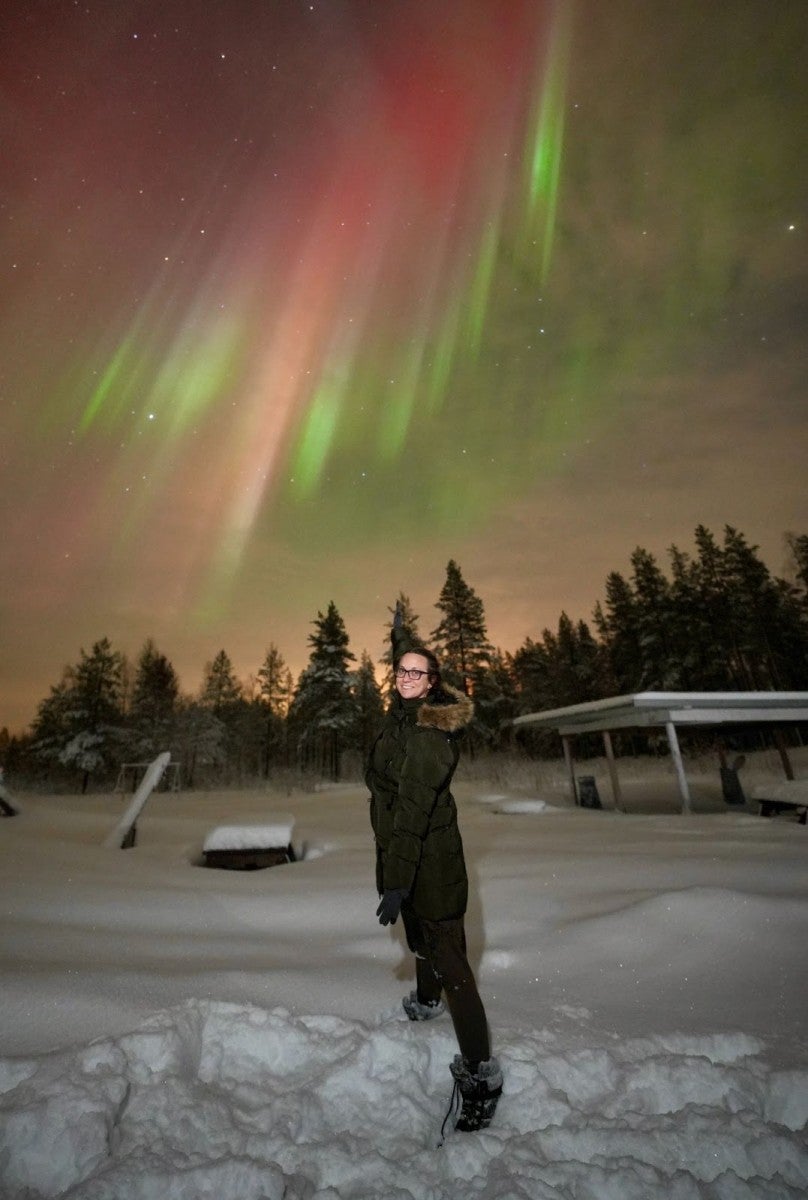 When Buss returned from the
Fulbright Leaders for Global Schools Program, she used postcards
from Finland to write thank-you notes to colleagues who had
covered her work while she was traveling. One of her favorite
postcards was a picture of Finnish nature that said “Alone, but
together.”
When Buss returned from the
Fulbright Leaders for Global Schools Program, she used postcards
from Finland to write thank-you notes to colleagues who had
covered her work while she was traveling. One of her favorite
postcards was a picture of Finnish nature that said “Alone, but
together.”
“I felt like that was a nice analogy for my trip, but also for our independent study program,” said Buss. “Students may complete work on their own, but we’re all in this together—supporting each other as one community.”
As she continues to create a strong support network for her students, Buss plans to address mental health issues at school. In particular, she’s invested in understanding where the education system isn’t built to address contemporary issues related to depression, anxiety, and isolation, and how collaborations with other support structures can fill the gaps. “People talk about teenage mental health as a crisis, but I think for those who aren’t seeing it firsthand, they may not understand the depth of it,” Buss said. “The students who are struggling, are really struggling in a way that I don’t think our society is set up to support.”
Buss is also excited to see how her school’s virtual learning environment can create new opportunities for growth and inclusivity among students. “There are some really interesting things happening in terms of how we serve students who aren’t able to succeed in a traditional school setting,” said Buss. “We have many students who come in severely credit deficient. We are working to honor their prior learning and their attempts to pass class, while still moving them toward graduation. We also work with newcomer students, who are often trying to learn English and complete high school while being immersed in an unfamiliar culture. Online learning can provide access to resources like real-time translation, curriculum in the primary language, and one-on-one meetings with teachers to help support them through this transition.”
No matter where Buss focuses her attention next, she feels that her Fulbright experience will continue to shape how she supports students and develops new programs to serve them. “The really amazing programs that we saw in Finland, and that I heard about from the other Fulbright administrators, exist not because someone made it happen at the federal level,” she said.“They exist because a teacher decided to build it from the bottom up. They wrote the proposal and they made it happen.”