
Planting Seeds of Self-Discovery
How Newbery Medal-Winning Author Renée Watson Connects Story, Identity, and the Classroom
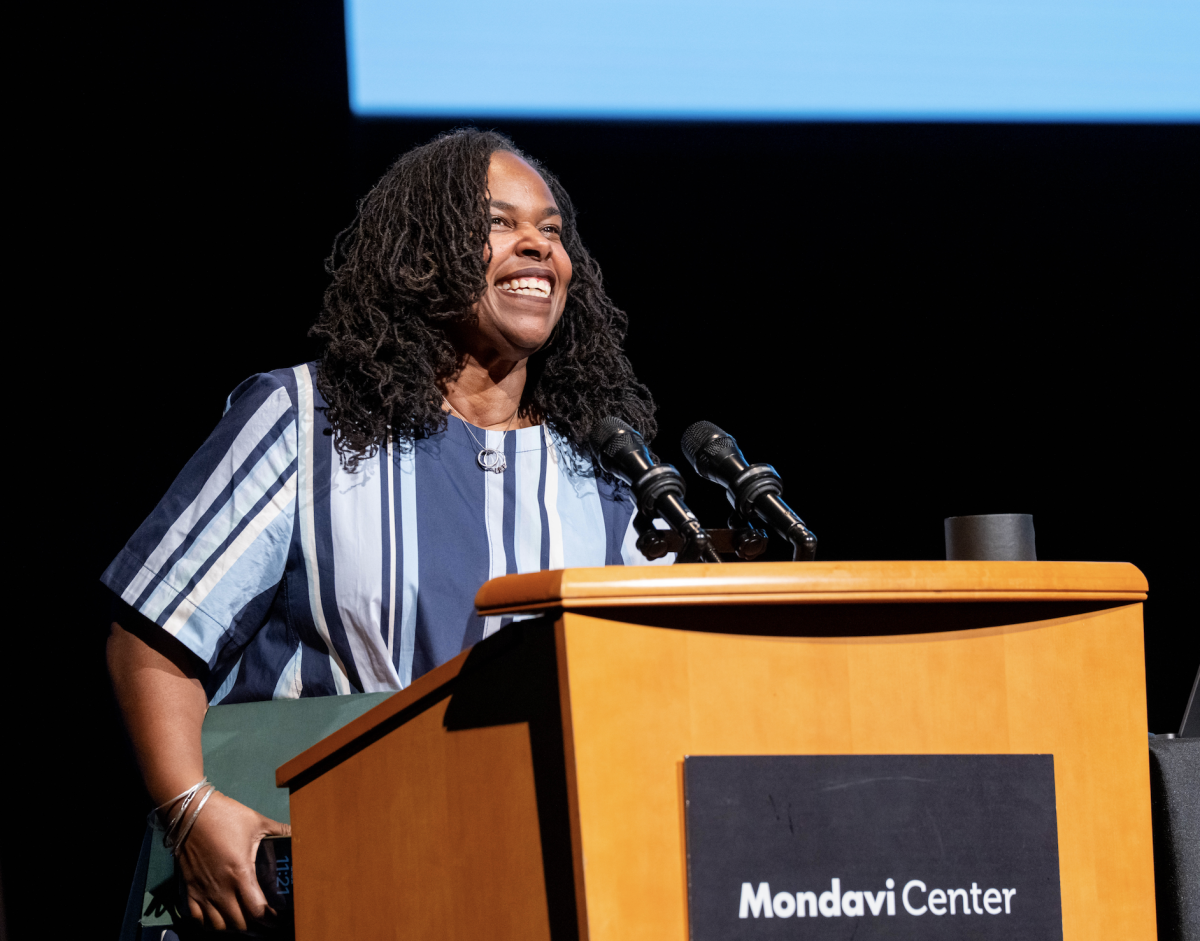 Newbery Medal-winning author Renée
Watson believes that stories can help young people understand
themselves, imagine new possibilities, and listen to the
experiences of others. That belief was at the heart of her
February conversations with over 1,000 educators, parents, and
students at the UC Davis Mondavi Center for the Performing Arts
and the Sacramento Public Library’s Tsakopoulos Galleria as part
of the School of Education’s longstanding “Words Take Wing:
Honoring Diversity in Children’s Literature” program.
Newbery Medal-winning author Renée
Watson believes that stories can help young people understand
themselves, imagine new possibilities, and listen to the
experiences of others. That belief was at the heart of her
February conversations with over 1,000 educators, parents, and
students at the UC Davis Mondavi Center for the Performing Arts
and the Sacramento Public Library’s Tsakopoulos Galleria as part
of the School of Education’s longstanding “Words Take Wing:
Honoring Diversity in Children’s Literature” program.
“One of the powerful things about literature is that it helps young people imagine a possibility that they may not see in their immediate community,” Watson said. “They read a book and then think, ‘It’s possible to heal from something that’s been traumatic and sad. It’s possible to have big dreams and accomplish them. It’s possible to forgive, and it’s possible to have joy in the midst of so much turmoil and sorrow.’”
For Watson, that work extends beyond writing and informs how she approaches conversations with educators about teaching, learning, and the role stories play in shaping young people’s sense of self. She sat down with the School of Education to share her perspectives on literature, identity formation, and what it means to create classroom spaces where students can see themselves clearly.
Reading to Build Empathy and Community
Watson considers one of the most important roles of literature to be helping young people navigate complex emotions while building empathy for others. “I think the power of poetry—the power of stories—to young people, especially in hard times, is to show them that it won’t always hurt so bad,” she said. “There is a tomorrow and there is a rising sun. There will be dark nights, but that will change.”
Engaging deeply with literature, she explained, helps young people better understand themselves while also strengthening their ability to connect with others. An important part of that growth comes from listening to stories that differ from their own.
Watson hopes that girls and children of color can see themselves reflected in the stories they read. But she also emphasizes the importance of ensuring that children who are regularly represented in mainstream media encounter perspectives they might not otherwise experience. That kind of exposure, she notes, helps young readers recognize lives beyond their own.
“There’s a problem if you’re told all the time that your story matters and nobody else’s does,” Watson said. “Then we wonder, ‘Why don’t men listen to women?’ or ‘Why are we having all this friction with race?’ Our dominant culture doesn’t encourage reading and learning about other cultures, and that plays out in real life as ‘I don’t have to bear witness to your story, and I don’t have to care about you, because my education taught me that your story doesn’t matter.’
“That’s why literature, especially for young people, matters so much. Because if we can get young people reading at a young age and plant all these seeds of diversity and learning, when they’re adults and running the world, they’ll be thinkers, feelers, and healers.”
Teachers Bring Stories to Life
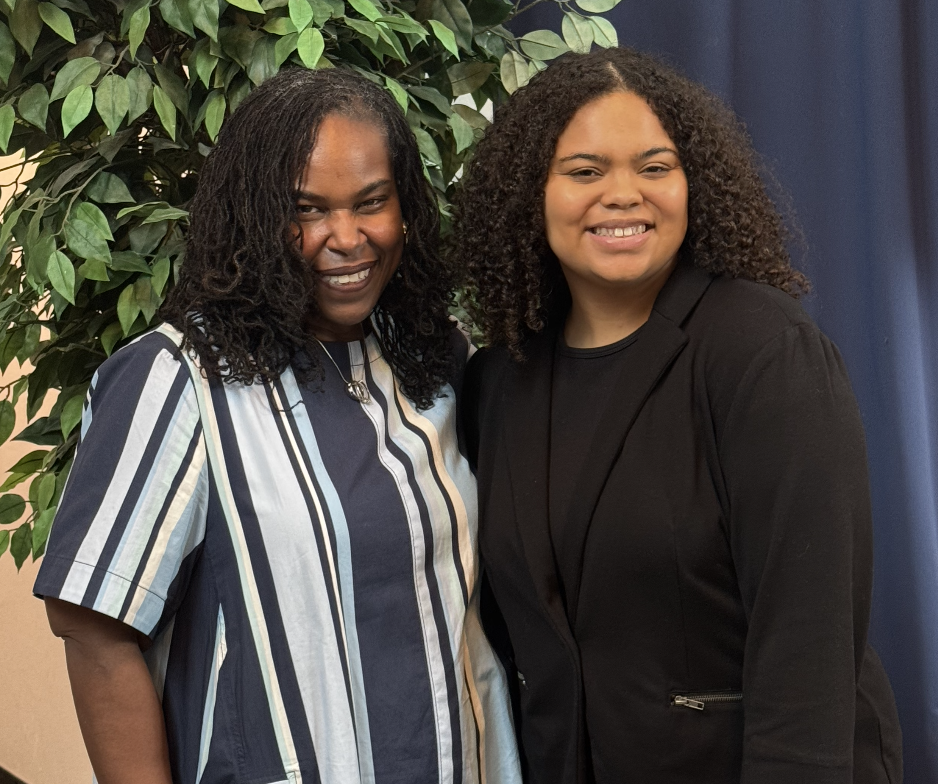 If literature helps young people
understand themselves and others, Watson sees teachers bringing
that understanding to life in the classroom. This was the case in
Watson’s own early education. She credits much of her writing
career to her high school teacher, Linda Christensen. “She’s one
of the first teachers who taught me to both celebrate and
critique the world,” she said, “and that I could, through my
writing, honor everyday people and also critique systems and
things that I didn’t like about my neighborhood. To this day,
Linda is one of the first people I share a new manuscript with.”
If literature helps young people
understand themselves and others, Watson sees teachers bringing
that understanding to life in the classroom. This was the case in
Watson’s own early education. She credits much of her writing
career to her high school teacher, Linda Christensen. “She’s one
of the first teachers who taught me to both celebrate and
critique the world,” she said, “and that I could, through my
writing, honor everyday people and also critique systems and
things that I didn’t like about my neighborhood. To this day,
Linda is one of the first people I share a new manuscript with.”
To cultivate similar connections with learners, Watson encourages educators to learn about the lives their students lead beyond the classroom. “The more I can be involved in the communities I teach in, and the more I can learn about the cultures of my students, the easier it is for me to teach them,” she said. “The more you learn about people, the more you care about them—and that care will show through your curriculum.”
Watson also recommends that teachers show students that they’re learning alongside them. “As teachers, you can forget what it’s like to try something new or push yourself,” she explained. “It’s nice to see educators walk into the classroom and say, ‘I’m going to let myself learn alongside my students. It’s okay to demonstrate what it means to be vulnerable and to give myself grace as the adult in the room. I don’t have to know everything as the teacher, and I’m going to model what it’s like to be a lifelong learner.’”
Watson believes that by attending trainings and participating in professional development, educators are gaining essential skills to make a positive difference in children’s lives. The spark they ignite through personal reflection, storytelling, and collaboration can shape students’ development long after they leave the classroom—the same impact Watson hoped to inspire through her participation in Words Take Wing.
“These kinds of events are powerful because they plant seeds,” she said. “The harvest may come after I leave, but I get to do a lot of planting in the beginning, and I’m always excited about that.”