
Preparing Teachers With Every Student in Mind
How UC Davis Is Advancing Universal Design for Learning
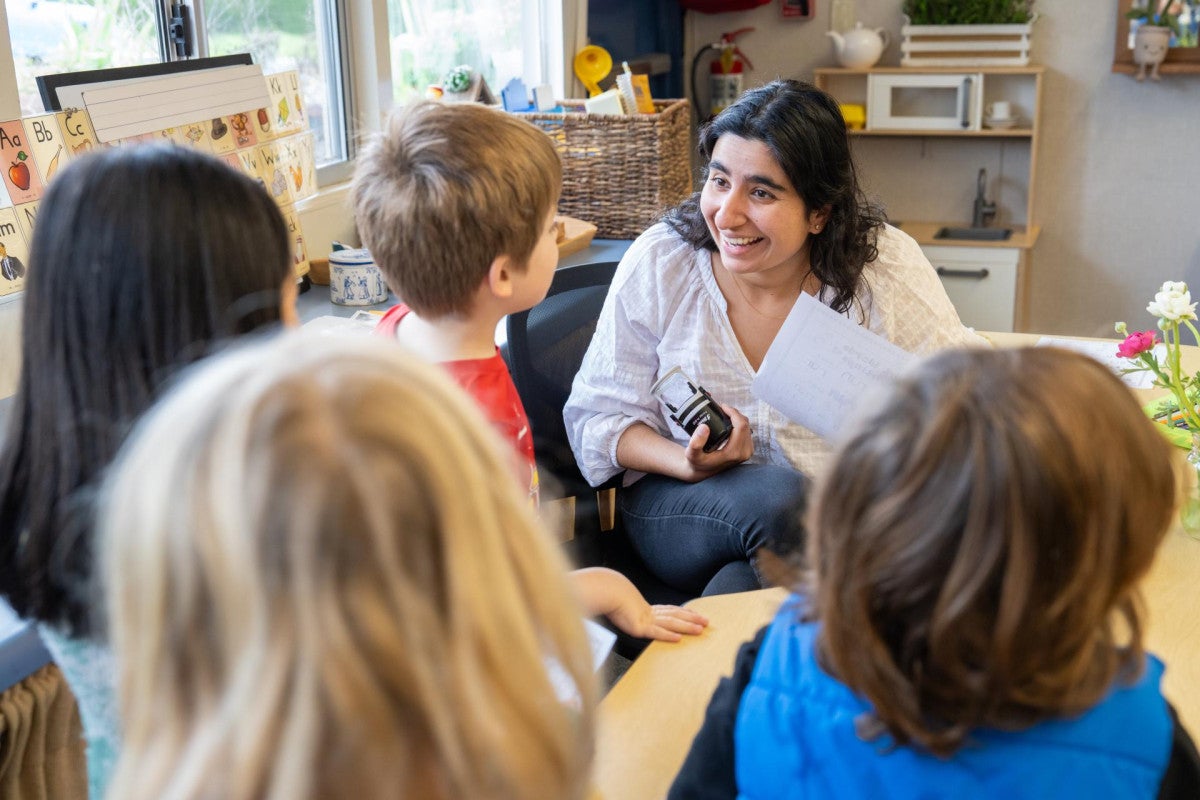
Kindergarten teacher Paige Hendrix marked her students’ cubbies with personalized nametags for the first day of school. But as students arrived, she quickly realized that most of her class couldn’t yet read their names in print. Rather than rushing to teach letter recognition, Hendrix pivoted, taping photos of each child to their cubby.
“I never want my students to feel excluded,” Hendrix said. “My priority is listening to them and using their feedback to guide my decisions. I looked at where I could change my classroom to make it easier for everyone to learn.”
Hendrix practices Universal Design for Learning (UDL), a teaching approach rooted in the powerful idea that students have varying learning needs, and classrooms should be designed with that in mind. By offering multiple ways for students to engage with material, access information, and demonstrate understanding, UDL helps educators remove instructional barriers to create accessible spaces for all learners, including neurodivergent students.
“It’s designed for some, but beneficial for all,” said Jessica Seibold, a fourth-grade teacher who grounds her lessons in UDL. She and Hendrix are master’s students at the UC Davis School of Education, where faculty are helping future educators adopt the approach not as an added task, but as a transformative mindset. By integrating UDL into teacher preparation, the School of Education is equipping student teachers to simultaneously leverage students’ strengths and ensure that all learners have more opportunities to engage, participate, and succeed.
Turning Mindsets into Methods
In a UDL-inspired classroom, there’s no single route to understanding. One example of applying Universal Design for Learning is rethinking how students show what they know. Allowing learners to explain ideas verbally, draw examples, or use hands-on tools in place of traditional written assignments can make learning more accessible for students.
“When you offer choice, you build on students’ strengths while removing a potential instructional barrier, which promotes students’ agency and autonomy,” said Prof. Nancy Tseng, Associate Professor of Teaching and co-chair of the UDL Teacher Education committee with Prof. Nicole Sparapani. “Across subjects and grade levels, UDL creates access to learning opportunities so that students can be successful in classrooms and communicate their thinking with confidence. UDL enables us to uplift the brilliance of all learners in our classrooms.”
UDL in Action at the School of Education
Sparapani and Tseng are leading efforts to make UDL a core component of the School’s teacher preparation programs. “Together, we’re working to integrate UDL more deeply into existing credential and master’s degree pathways to blur the boundaries between general and special education, which is often very siloed,” said Sparapani. “For example, we’ve integrated dyslexia and dyscalculia content within reading and math methods courses. We hope that student teachers can see disability and neurodivergence as natural and beneficial.”
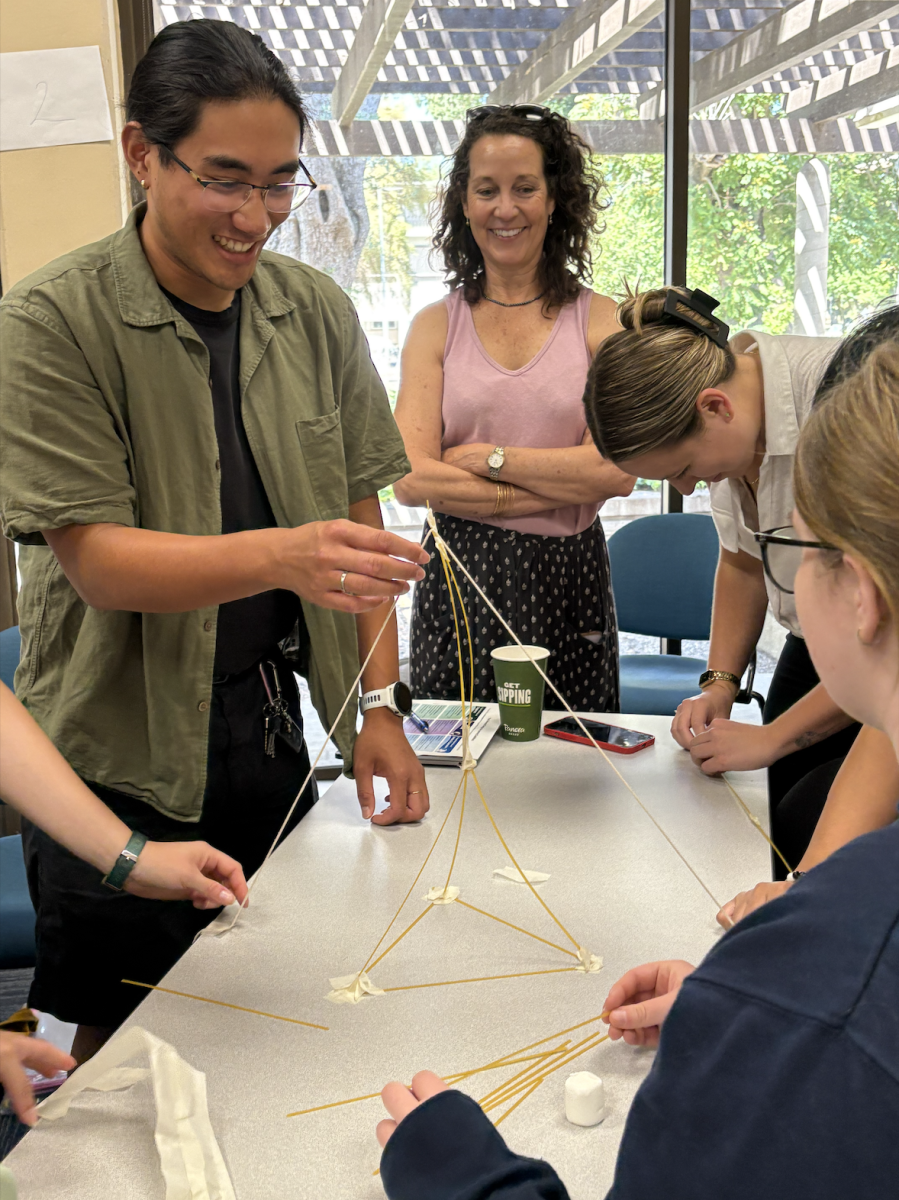 Alongside faculty colleagues
Drs. Jennifer
Higgs, Alexis Patterson
Williams, Lisa Sullivan, and
Matt Wallace, the UDL
committee supports both student teachers and instructors in
intentionally integrating UDL principles consistently and
effectively. During the 2024 – 2025 academic year, the committee
invited internationally known educator and author Andratesha
Fritzgerald to lead workshops for the School’s faculty,
supervisors, and students. She encouraged participants to view
their teaching through the lens of a non-expert, offering
hands-on training and practical tools for embedding UDL in the
credential program and within the classroom. “This workshop
opened my eyes to how expansive UDL is,” said one credential
student. “It helped me see how it can, and should, extend beyond
instruction and into the classroom culture you build.”
Alongside faculty colleagues
Drs. Jennifer
Higgs, Alexis Patterson
Williams, Lisa Sullivan, and
Matt Wallace, the UDL
committee supports both student teachers and instructors in
intentionally integrating UDL principles consistently and
effectively. During the 2024 – 2025 academic year, the committee
invited internationally known educator and author Andratesha
Fritzgerald to lead workshops for the School’s faculty,
supervisors, and students. She encouraged participants to view
their teaching through the lens of a non-expert, offering
hands-on training and practical tools for embedding UDL in the
credential program and within the classroom. “This workshop
opened my eyes to how expansive UDL is,” said one credential
student. “It helped me see how it can, and should, extend beyond
instruction and into the classroom culture you build.”
For Danny Van, a master’s student and middle school math teacher, Fritzgerald’s modeling translated into small but meaningful changes in his classroom. One exercise he now uses regularly is counting backward from five to quiet his class. Instead of expecting complete silence by the time he reaches zero, he aims to gradually lower the room’s volume as students finish conversations. This honors student variability, signals a clear yet respectful transition, and allows students to ease out of and into the next activity. “UDL showed me how to communicate my procedures and routines in a way that everyone can understand and meet,” Van said.
Building Inclusive Teaching for the Long Term
Committee members aim to continue and expand on the UDL initiative within the School’s teacher preparation program. As part of this work, Sparapani and Tseng hope to collaborate more closely with resident teachers: educator-mentors who host student teachers in their classrooms throughout the school year. By modeling inclusive practices and sharing real-world strategies, these mentors can help bridge the gap between theory and practice throughout new teachers’ careers.
In collaboration with Fritzgerald, Sparapani and Tseng also plan to continue working with graduates from the School of Education’s teacher education program in order to better understand their bridges and barriers to UDL implementation. “Our hope is that student teachers will become teacher leaders,” said Tseng, “and that they’ll create more access for all learners, helping move schools toward truly inclusive settings.”