
Launching Year 5 of the Spinning Salmon Program
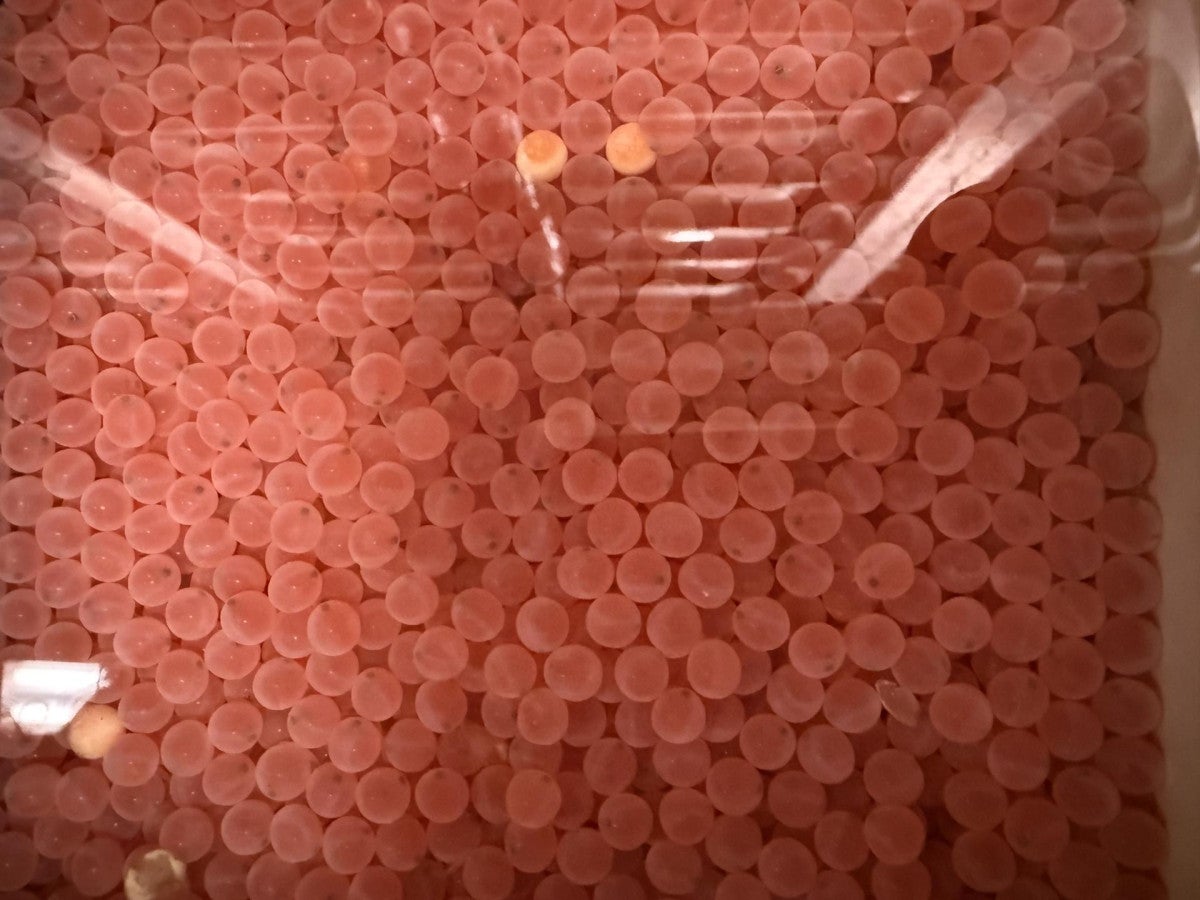 We’re thrilled to announce the
start of Year 5 of the Spinning Salmon Program! On December 10,
participating classrooms across the region received their
untreated fall run Chinook salmon eggs, marking the beginning of
another year of hands-on research, learning, and community
science.
We’re thrilled to announce the
start of Year 5 of the Spinning Salmon Program! On December 10,
participating classrooms across the region received their
untreated fall run Chinook salmon eggs, marking the beginning of
another year of hands-on research, learning, and community
science.
What’s New in Year 5: Handbook + Updated Training
Every participating teacher received the new Spinning Salmon Handbook, a comprehensive guide with refined protocols, background information on thiamine deficiency, data-submission instructions, and new and improved educational resources.
This new resource reflects lessons learned from the first four years of the program and integrates feedback from both educators and students. Program revisions were intentionally designed to ensure consistency across classrooms, strengthen students’ science identity and agency, support scientific rigor, and help both teachers and students understand not just how to collect data, but why the work and their role matters.
Additionally, Year 5 kicked off with two training sessions (one in person and one virtual), where educators explored the framing of the new modules focused on the resilience of California’s indigenous people, the ecological system and the fish. In addition to framing focused on resilience, teachers reviewed new data collection and water quality protocols, ensuring high quality data. The training emphasized the changes that were made to support engagement from underrepresented student populations (multilingual learners, ASL speaking students and students in court and community day schools) in addition to supporting student engagement with climate resilience work being done here in California.
Our Growing Research Impact & Educational Reach
Since its launch, Spinning Salmon has proven that youth-engaged research can contribute real, meaningful science and inspire future stewards of our watersheds. This last year saw the publication of 2 journal articles and 2 magazine articles that were either focused on the program itself or included the student data.
- Frontiers for Young Minds- Students Team up with Scientists to Investigate Salmon Vitamin Deficiencies
- Proceedings of the National Academy of Sciences- Widespread thiamine deficiency in California salmon linked to an anchovy-dominated marine prey base (student data called out in Table 1)
- UC Davis Magazine- Statewide Study Taps 3,000 Students for Salmon Research- High schoolers’ efforts provide model for community-based conservation.
- NOAA Webstory (written by participating students)- High Schoolers Help Federal Biologists Unravel the Mystery of Spinning Salmon
Why This Matters: For Salmon, Students, and Communities
- For salmon: The ultimate goal is to better understand what levels of thiamine are necessary to support healthy development in Central Valley salmon, and to use that knowledge to inform conservation and hatchery practices.
- For students: Spinning Salmon transforms classrooms into genuine research sites. Educational research within the program shows that when students engage in authentic data collection, interpret their own findings, and see their work taken seriously by scientists and agencies, they begin to view themselves as capable contributors to science. Students develop not only observation skills and data-collection skills, but also confidence , and a deeper ecological awareness, all skills that support a wide variety of STEM career pathways.
- For students: Spinning Salmon transforms classrooms into genuine research sites. Educational research within the program shows that when students engage in authentic data collection, interpret their own findings, and see their work taken seriously by scientists and agencies, they begin to view themselves as capable contributors to science. Students develop not only observation skills and data-collection skills, but also confidence , and a deeper ecological awareness, all skills that support a wide variety of STEM career pathways.
- For communities: Beyond the classroom, the program fosters a culture of stewardship. When young people participate in solving real conservation problems, it builds local capacity, strengthens connections to regional ecosystems, and promotes long-term ecological literacy.
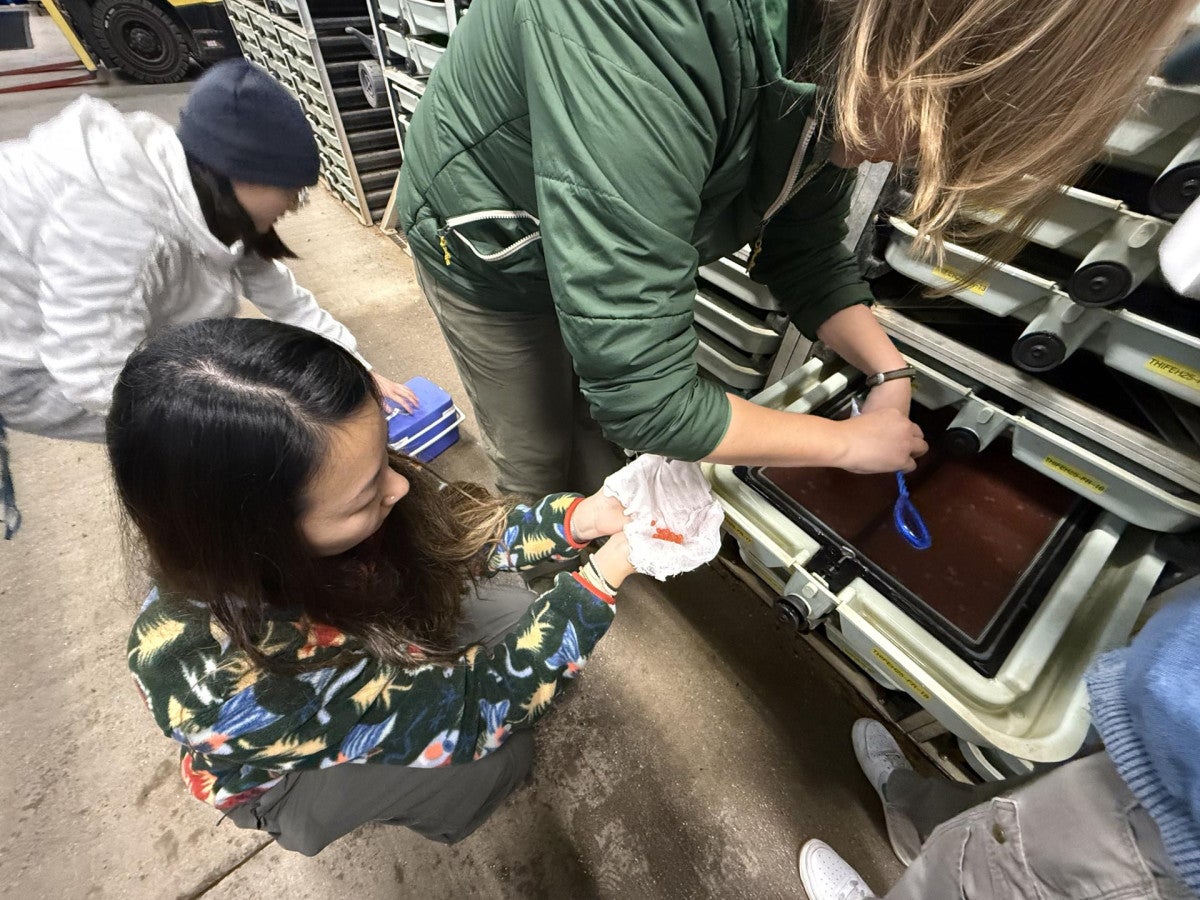 Year 5 marks not just another cycle of
egg deliveries, it’s a recommitment to environmental stewardship,
education, and community engagement. We can’t wait to see what
this year’s students uncover.
Year 5 marks not just another cycle of
egg deliveries, it’s a recommitment to environmental stewardship,
education, and community engagement. We can’t wait to see what
this year’s students uncover.