
How Teachers Are Building Bilingual Students’ Confidence in Their First Language
A federally funded UC Davis School of Education project is supporting this shift in classrooms nationwide
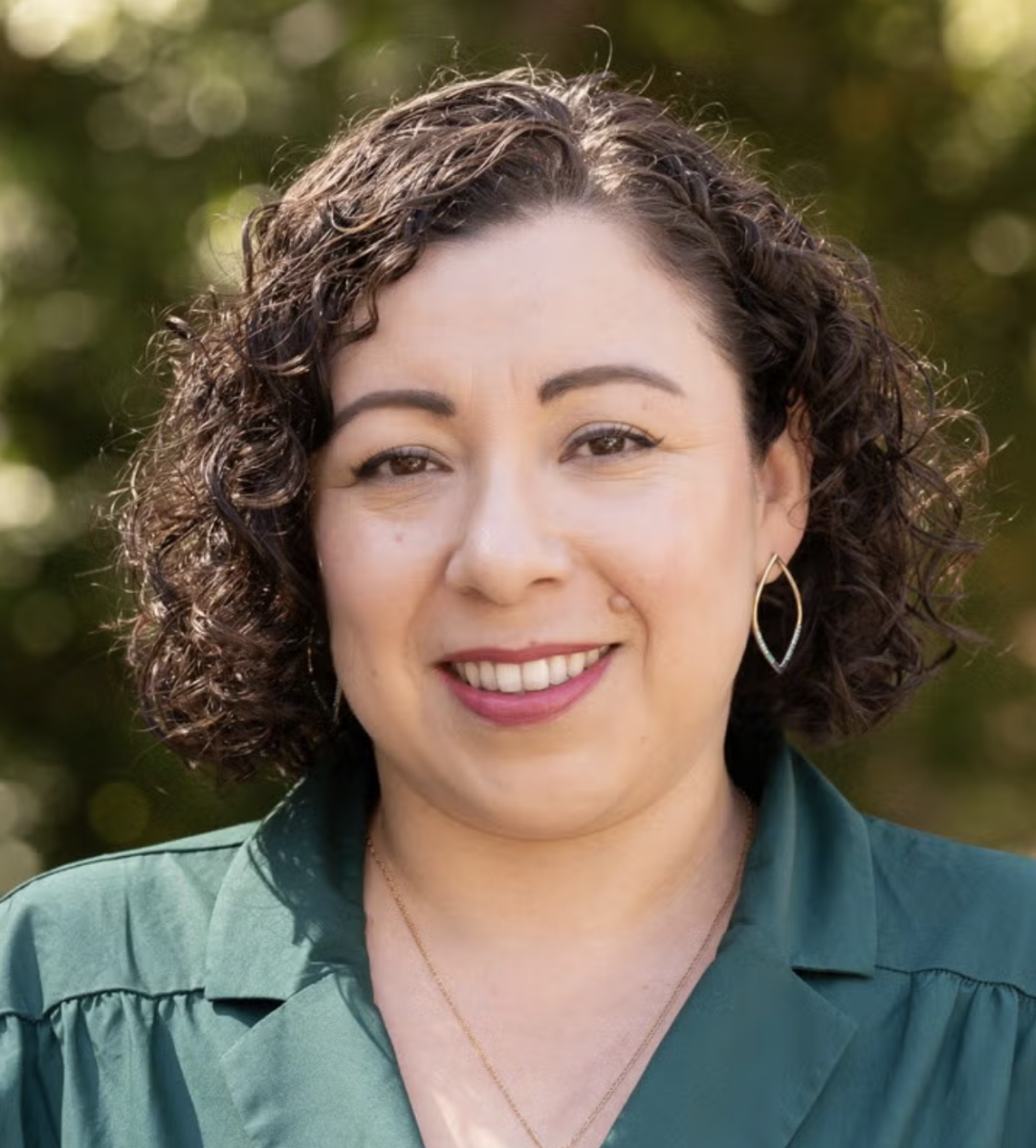 Fourth-grade bilingual teacher
Maria Fernandez still remembers what it felt like to be an
English language learner in school. “It took so much perseverance
to become who I am today,” she said. “There were many tears and
sacrifices that my parents and I faced. That personal history is
a big reason why I chose to become a bilingual teacher. I wanted
to support students and families so they don’t have to struggle
as much as my family and I did and give them the support I didn’t
receive.”
Fourth-grade bilingual teacher
Maria Fernandez still remembers what it felt like to be an
English language learner in school. “It took so much perseverance
to become who I am today,” she said. “There were many tears and
sacrifices that my parents and I faced. That personal history is
a big reason why I chose to become a bilingual teacher. I wanted
to support students and families so they don’t have to struggle
as much as my family and I did and give them the support I didn’t
receive.”
Experiences like Fernandez’s are not uncommon. Bilingual students often live in a context where linguistically minoritized communities are associated with inferiority, according to Prof. Claudia Rodriguez-Mojica and her co-researchers. Over time, repeated messages that their language practices are deficient can shape how students see themselves, their communities, and their place in school.
Rodriguez-Mojica seeks to empower bilingual educators to challenge these messages instead of reinforcing them. Through a five-year project, Bilingual/Biliterate Instruction for Bilingual Youth (Proyecto BBILY), funded by the U.S. Department of Education’s Office of English Language Acquisition, Dr. Rodriguez-Mojica and collaborators Dr. Allison Briceño (San José State University) and Dr. Kathleen Jablon Stoehr (Santa Clara University) developed a 60-hour online professional development series for K–8 bilingual educators. The program focuses on approaches such as translanguaging, which encourages students to draw on their full linguistic knowledge while learning course content.
The research team’s goal is not only to support students, but to shift how teachers understand language, learning, and their own roles in the classroom, noting that bilingual education for students and teachers has the potential to resist the idea that one language or way of speaking is superior to others.
Reframing the Teacher’s Role
For Fernandez, BBILY helped her reframe the experiences that once made her childhood classroom feel isolating. While she was initially overwhelmed by the task of balancing student language proficiencies against grade-level expectations, she now leads class with the confidence to address both. “This experience has changed how I see myself as a teacher,” she said. “Now I view my role not just as a content instructor, but as a facilitator of each student’s jornada lingüística. I’m supporting their development as bilingual, biliterate learners with valuable linguistic and cultural assets.”
Following BBILY, Fernandez has focused on bringing educational research into her practice and understanding how state and federal policies are helping—or hurting—her students’ learning. By grounding her pedagogy in real-world discourse, Fernandez can teach with greater intention, ensuring students have positive, inclusive, and informed learning experiences. “BBILY strengthened my role as an advocate for my students,” she said.
From Assumptions to Advocacy
Across the BBILY workshops, teacher participants describe a similar rethinking of what it means to support bilingual learners. Fifth-grade teacher Daniel Lemes, a bilingual educator for more than 20 years, realized he had been making assumptions about native English and Spanish speakers’ proficiency levels, rather than assessing their actual comprehension. “I was just making small assumptions like ‘This is in your first language—you should know this, right?’” he said. “I wasn’t getting to know the students on an individual level.”
Lemes uncovered more about his students’ strengths and needs through translanguaging exercises he learned from BBILY. Rather than requiring students to engage with math or science in one language, he encouraged them to use their first and second languages interchangeably. “I’ve had quite a few students who are native English speakers writing in Spanish, too,” said Lemes. “And I think it’s because they feel welcomed to do so. They don’t feel pressure, just motivation to experiment with their language knowledge while processing other topics at the same time.”
Lemes also hopes that by building a flexible language learning atmosphere, he can remind students of his commitment to their success in and out of the classroom. “It’s important to be aware that these kids are here for a reason,” he said. “They’re not just here to learn, but to strengthen their life skills. When you lead with kindness and understand their daily experiences, you help them be better citizens in the future. BBILY gives you the tools to refine your teaching, but also to really immerse yourself in bilingual education. It’s not just about one language: it applies across contexts. It really gives you the perspective to think about bilingual education at its root.”
Scaling Change Across Classrooms
As teachers like Lemes reexamine their practices, BBILY is working to expand that impact to more classrooms and communities. Since 2022, Rodriguez-Mojica and her colleagues have collaborated with K–8 educators from more than 90 schools across seven states, extending the program’s reach to diverse learning environments. They also plan to make the BBILY curriculum freely accessible to educators in perpetuity.
“Many of the teachers we work with were shaped by systems that devalued their language and identities,” Rodriguez-Mojica said. “Our goal is to support them in creating different experiences for their students—ones that recognize bilingualism and biliteracy as an asset from the start.”
Learn more about BBILY, recent research, and educator and caregiver resources.