
Bird Watching Takes Flight Behind Prison Walls
UC Davis and Land Together’s Citizen Science Collaborative Culminates in Field Guide by and for Incarcerated People
When incarcerated people engage in scientific research, they do more than learn about the natural world: they contribute knowledge to real-world inquiries and learn how to support their communities. At the California Health Care Facility in Stockton, CA, the Center for Community and Citizen Science and Land Together engaged incarcerated individuals in scientific observation and data collection, demonstrating what becomes possible when citizen science is structured to include people most often excluded from it.
Through regular bird watching from the prison yard, participants developed the skills and confidence to identify and document local biodiversity, resulting in a field guide they co-authored for others in prison. Their work affirms incarcerated people as valuable scientific contributors and environmental stewards—both inside prison and beyond it.
Building a Partnership for Citizen Science in Prisons
 The Center for Community and
Citizen Science (CCCS) began working with incarcerated
communities through a partnership with Land Together (formerly
Insight Garden Program), a California-based nonprofit that
supports people impacted by mass incarceration to cultivate deep
connections to nature, self, and community. CCCS founder and
faculty director Prof.
Heidi Ballard and CCCS executive director Dr. Ryan Meyer approached Land Together
about incorporating citizen science into their garden
education program. Dr. Laci
Gerhart, Associate Professor of Teaching in the UC Davis
College of Biological Sciences, joined the partnership soon
thereafter.
The Center for Community and
Citizen Science (CCCS) began working with incarcerated
communities through a partnership with Land Together (formerly
Insight Garden Program), a California-based nonprofit that
supports people impacted by mass incarceration to cultivate deep
connections to nature, self, and community. CCCS founder and
faculty director Prof.
Heidi Ballard and CCCS executive director Dr. Ryan Meyer approached Land Together
about incorporating citizen science into their garden
education program. Dr. Laci
Gerhart, Associate Professor of Teaching in the UC Davis
College of Biological Sciences, joined the partnership soon
thereafter.
Ballard, Meyer, and Gerhart began visiting prisons, talking with incarcerated people about their observations of and questions about local biodiversity and natural history. “In every facility we visit, we find curiosity, enthusiasm, and a wealth of knowledge and experience that participants bring to the idea of doing science in such an unlikely environment,” they wrote. “Incarcerated people are interested in science and nature, desire more opportunities for hands-on science learning, and respond positively to the notion of taking part in real science that also involves participants beyond prison walls.”
These early listening sessions led the UC Davis team to implement citizen science activities at multiple prison facilities where Land Together was already conducting garden-based rehabilitation programming. Program participants soon monitored pollinators and documented biodiversity, alongside designing, cultivating, and tending a permaculture garden.
Studying Local Bird Populations
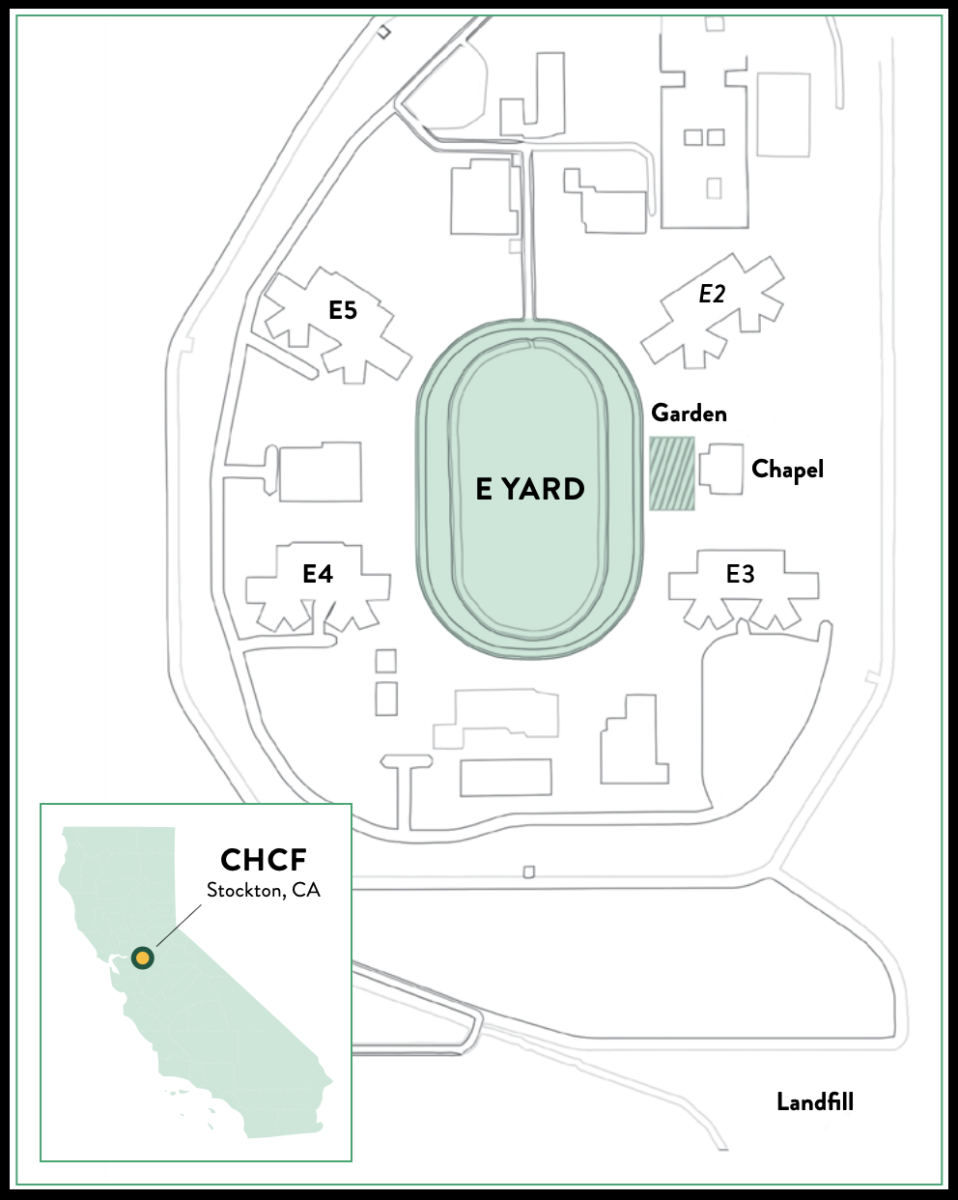
 At the California Healthcare
Facility (CHCF) in Stockton, a longer-term citizen science
initiative taught participants how to identify, observe, and
document birds in a prison setting. They learned how to use
birds’ coloring, calls, and daily habits to identify and count
local species, including kestrels, grackles, starlings, and
burrowing owls.
At the California Healthcare
Facility (CHCF) in Stockton, a longer-term citizen science
initiative taught participants how to identify, observe, and
document birds in a prison setting. They learned how to use
birds’ coloring, calls, and daily habits to identify and count
local species, including kestrels, grackles, starlings, and
burrowing owls.
“The Barn Swallow’s ‘free spirit’ in their flying gymnastics is inspiring,” said participant Robert Smith, III. “Their speed and agility is awesome. Quite a special bird to me personally; I always look forward to their return each spring.”
“For years I had been referring to Rock Doves as ‘pigeons,’” said participant Omar Dent, III. “Little did I know that pigeons’ true names are Rock Doves and that they are actually a part of the dove family. The picture that formulates in my mind when I think about doves are beauty, majesty, and purity. I viewed the Rock Doves as being pests. But I’m realizing now, the way you perceive a thing assigns its value to you.”
From Observation to Authorship
As participants deepened their knowledge of local bird species, they decided to translate their observations into a field guide for others at their facility. Ballard explained, “The participants wanted to share their excitement and curiosity about the birds to inspire others in their Yard, because they realized they were making the same kinds of detailed observations that professional bird guides include. Together we developed a way to collect their observations and stories about what the birds mean to them into their own hyper-local bird guide.”
Participants contributed facts, observations, reflections, poetry, and artwork to Guide to the Birds of CHCF: Observations and Reflections from Insight Garden Program Participants at California Health Care Facility, a nearly 60-page book offering tools to identify 21 California bird species.
“The result of this process is a book that, beyond helping to observe and identify birds, reflects the role and significance of these creatures to people in prison,” Ballard and Meyer write in the guide’s conclusion. “All of the contributions to this guide, whether from avid enthusiastic birders, bird philosophers, people with a special relationship to just one bird, or casual observers, are the product of thoughtful, inspiring, carefully observant, reflective individuals.”
Identifying With the Natural World
 The bird guide goes beyond
observation and data collection, reflecting the broader impacts
of engaging in authentic scientific work while incarcerated. It
also serves as a meditation on nature and the human condition,
featuring personal reflections, paintings, and poetry. “Who of us
has never been called an animal?” said Land Together participant
and guidebook illustrator Greg Ennis. “We do have and can see our
likeness if we watch long enough.”
The bird guide goes beyond
observation and data collection, reflecting the broader impacts
of engaging in authentic scientific work while incarcerated. It
also serves as a meditation on nature and the human condition,
featuring personal reflections, paintings, and poetry. “Who of us
has never been called an animal?” said Land Together participant
and guidebook illustrator Greg Ennis. “We do have and can see our
likeness if we watch long enough.”
While exploring definitions of freedom, isolation, and rehabilitation, participants also grapple with larger existential questions. “I wonder if the state of the climate crisis will impact the life cycle and resilience of the hummingbird worldwide?” asked participant Tavares “T.J.” Jackson.
Environmental advocacy is one of many outcomes participants hope others will gain through birding—and citizen science. The project aims to affirm participants’ sense of self, strengthen their connection to community, and help them build a scientific identity and expertise.
“I want people outside the prison to know that these birds we’ve observed hold a special meaning for our Land Together participants,” writes Gary Burt, Insight Garden Program Manager at the California Health Care Facility. “By turning our attention to the birds together, we have gathered to observe nature at its fullest potential.”
Expanding Who Science Is For
 Land Together and the Center for
Community and Citizen Science have printed and distributed free
copies of the bird guide to the co-authors, their friends and
family, and other members of the community at CHCF Stockton. They
also hope to reach people engaging in biodiversity monitoring
across California prisons. “We are interested in both realizing
and pushing the limits of citizen science and who can participate
in science,” said Meyer. “It’s not just about benefitting
incarcerated populations, but also science itself becoming more
relevant in more places.”
Land Together and the Center for
Community and Citizen Science have printed and distributed free
copies of the bird guide to the co-authors, their friends and
family, and other members of the community at CHCF Stockton. They
also hope to reach people engaging in biodiversity monitoring
across California prisons. “We are interested in both realizing
and pushing the limits of citizen science and who can participate
in science,” said Meyer. “It’s not just about benefitting
incarcerated populations, but also science itself becoming more
relevant in more places.”
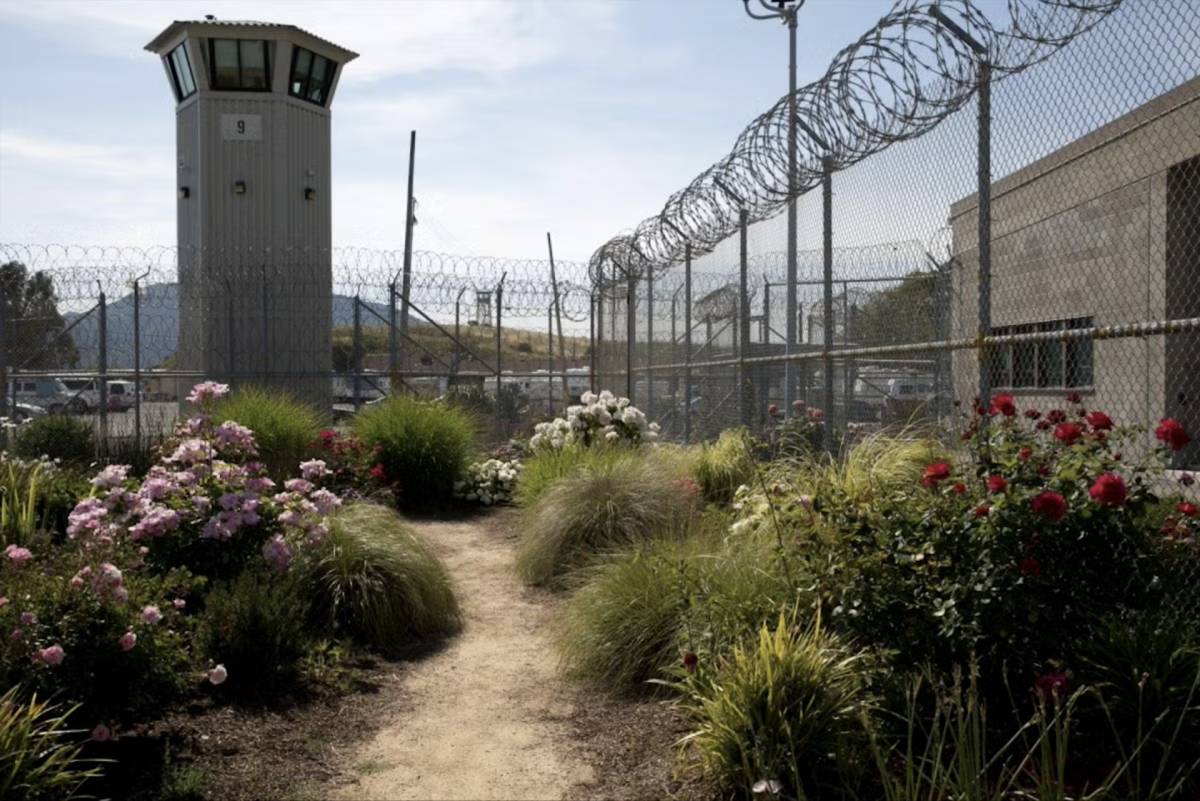
Ballard and Meyer see Guide to the Birds of CHCF as a model for future science collaborations, while also preparing people to address environmental challenges in their own communities. Through an NSF-funded research-practice project awarded to the CCCS and Land Together partnership, the team is now embarking on a next phase of collaboration: adapting, piloting, and studying the California Naturalist certification course in a prison garden context. Their bird guide will become the first of many creative and scientific projects that demonstrate how environmental science in prisons can inspire transformative learning and shift perceptions about who can do science, well beyond guard towers and barbed wire fences.