
Emerging Scholars Panel Highlights Role of Teachers in Educational Justice

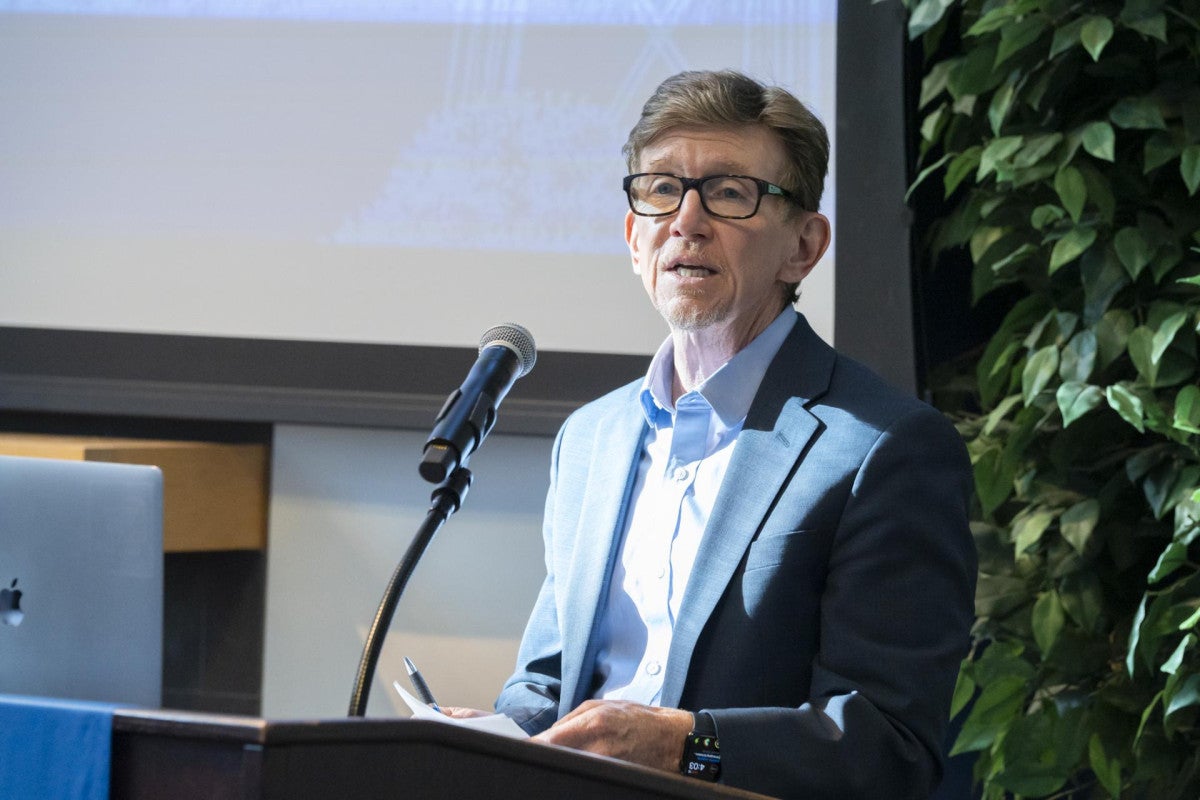
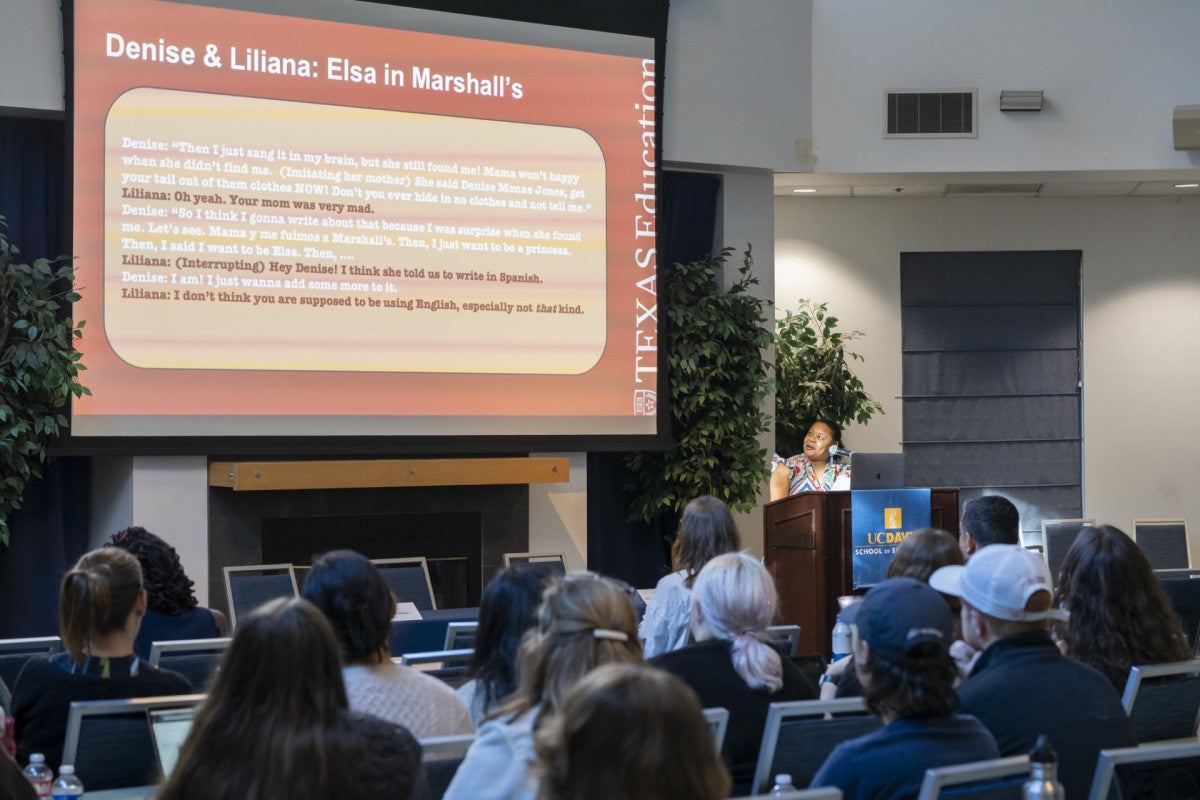


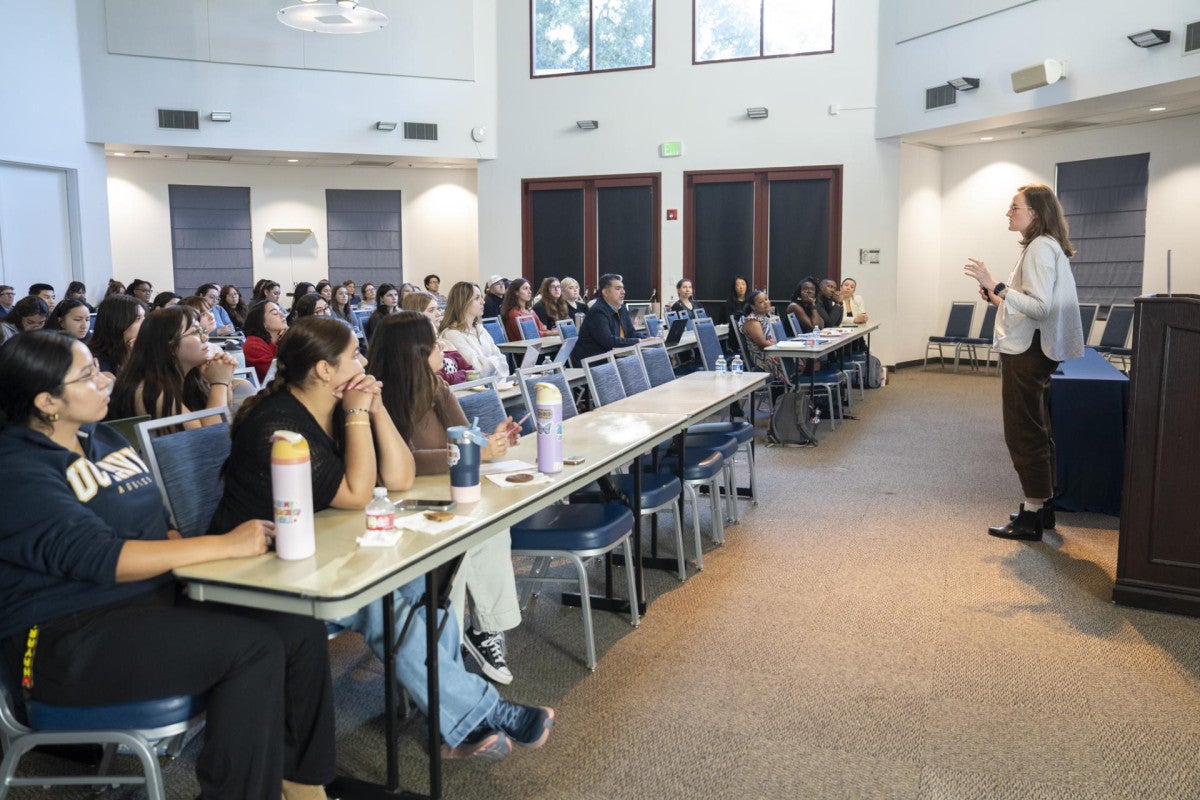
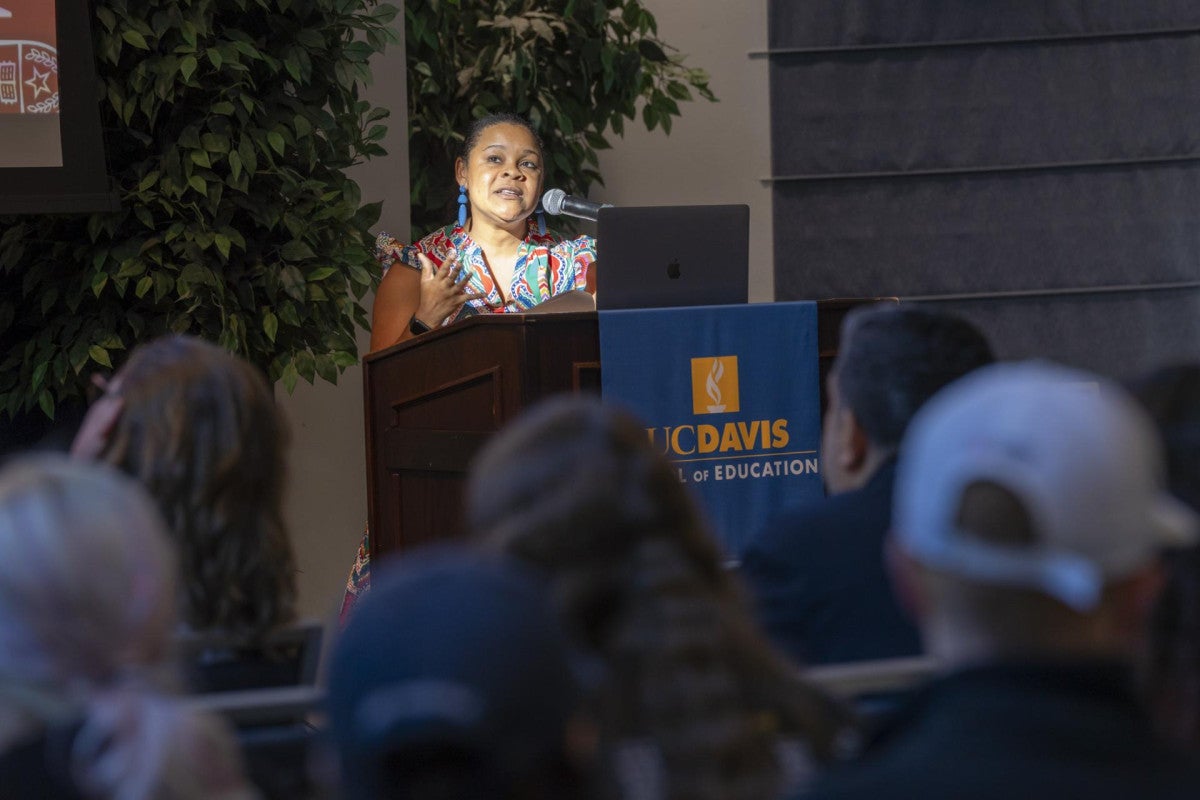


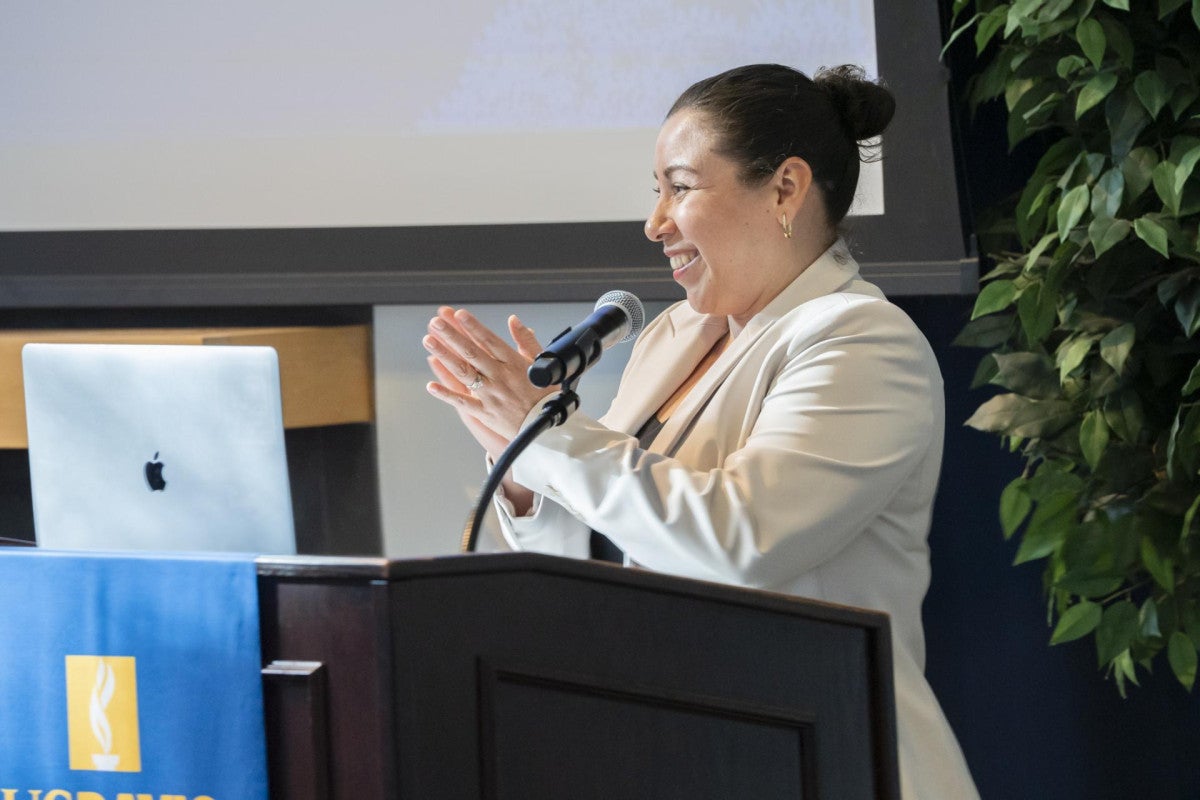

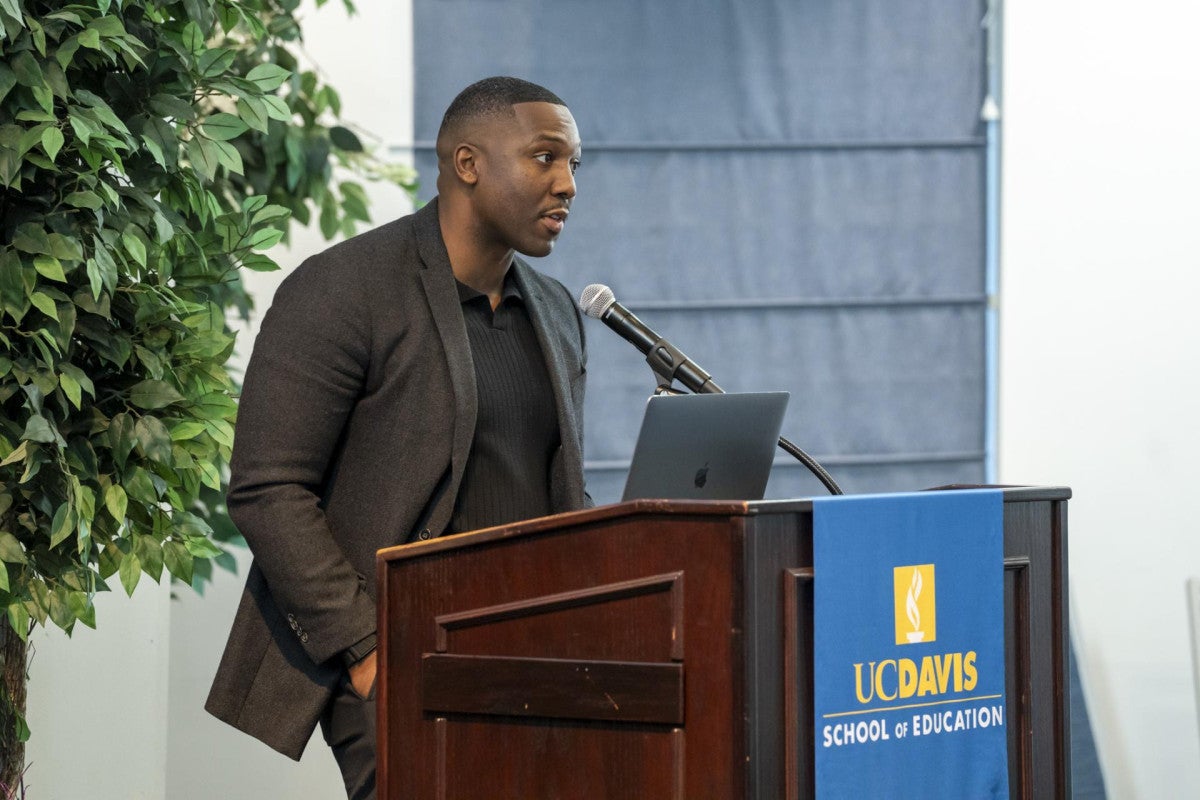


At the School of Education’s Emerging Scholars Panel “Pushing Boundaries around the Intersectionality of Disability, Race, and Language,” three invited speakers highlighted the important role that teachers play in equitable education. Whether they’re honoring a student’s unique identity in the classroom or shining a light on racialized surveillance practices at school, teachers can bring about just and inclusive outcomes for all learners.
In her presentation, Dr. Brittany Frieson, Assistant Professor of Bilingual/Bicultural Education at the University of Texas at Austin, addressed justice-oriented pedagogical practices in literacy and bilingual education. Focusing on Black children participating in elementary, Spanish/English, dual-language bilingual education programs, Frieson emphasized that students who speak Black Language don’t often realize they bring a complex and critical linguistic perspective to the classroom. Orienting Black students to the language skills they already have and uplifting their cultural identities in bilingual programs can deepen all students’ learning and create greater representation of multilingual Black children.
Dr. Jo R. King, Assistant Professor at Boston University’s Wheelock College of Education and Human Development, shared their quantitative research on exclusionary school discipline policies. King observed that schools with larger student populations from historically marginalized communities tended to use greater disciplinary measures, such as suspension and police interventions. However, they also noted that teacher composition might play a role in juvenile referrals and mitigation. “The percentage of teachers who are Black within a school seems to matter,” said King, suggesting that greater representation of Black teachers could lead to a decrease in severe or racially motivated disciplinary interventions.
Dr. Ebony Perouse-Harvey, Lecturer on Special Education at the Harvard University Graduate School of Education, concluded the panel presentations with a discussion of intersectional professional development for teachers. She delivered qualitative findings from her research study on pre-service general education teachers who were taught how to use anti-racist and anti-ableist practices in the classroom. Perouse-Harvey shared that she hopes this work empowers teachers to advocate for their children, collaborate more closely with parents, and share their students’ experiences at district meetings to bolster support. A key component of this advocacy is self-reflection: understanding how the intersections of race, class, gender, and disability are informing their own pedagogy.
“Education faculty are teaching pre-service educators how to reflect,” Perouse-Harvey said. “When students leave a teacher education program, it’s their job to apply those types of reflections to their practice every day.”
About Emerging Scholars
The Emerging Scholars panel showcases critical, diverse disciplinary perspectives in education. This year’s event took place on Thursday, October 16, 2025 in the UC Davis Walter A. Buehler Alumni Center. Several faculty members addressed the audience and introduced speakers, including Dean Tom Smith and Profs. Danny C. Martinez, who plays a leadership role for the panel, Paco Martorell, Claudia Rodriguez-Mojica, Nancy Tseng, and Charles E. Wilkes II.