
CCS Marine Protected Areas
publication: How establishing a marine protected area network has shaped community and citizen science along California’s coast
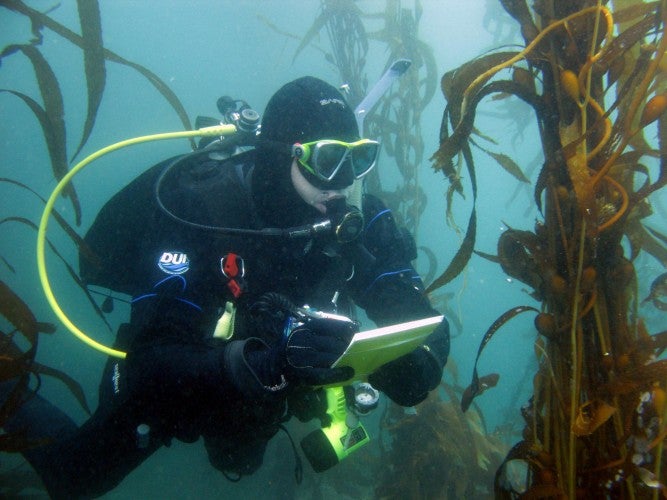 Research and monitoring are key to
measuring the success of adaptive management strategies in marine
conservation. Through community and citizen science (CCS),
volunteers can become involved in various stages of research and
monitoring. CCS can strengthen partnerships, help collect large
amounts of high-quality data, and be a way to achieve education
and stewardship goals. For marine conservation, constantly
changing policy, funding, and other forms of support influence
how CCS is used for research and monitoring.
Research and monitoring are key to
measuring the success of adaptive management strategies in marine
conservation. Through community and citizen science (CCS),
volunteers can become involved in various stages of research and
monitoring. CCS can strengthen partnerships, help collect large
amounts of high-quality data, and be a way to achieve education
and stewardship goals. For marine conservation, constantly
changing policy, funding, and other forms of support influence
how CCS is used for research and monitoring.
MPA Watch Intercept Survey Pilot Report
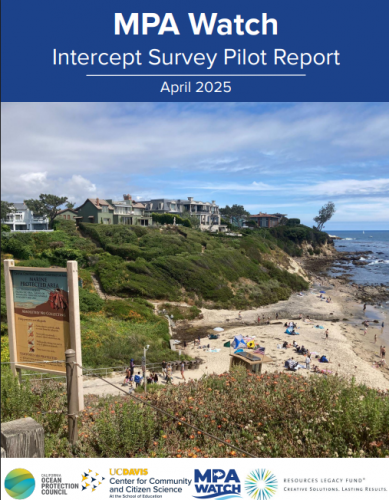
This report documents a pilot study in which the community science network known as MPA Watch developed and tested an intercept survey protocol for potential use alongside its existing data collection methods. The high-level goal was to explore the feasibility of the new method and its potential value in understanding human dimensions of MPAs and perhaps other ocean and coastal issues in California.
Shifting Tides: Piloting the MPA Watch Intercept Survey in Southern California
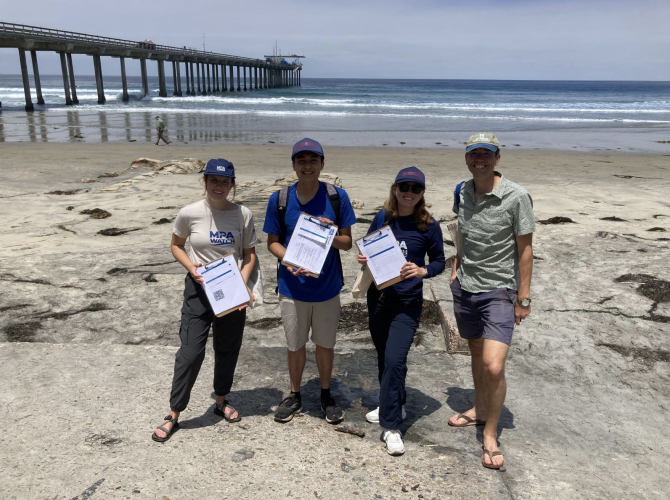
Here’s one inescapable reality of community and citizen science: there are many things that you simply cannot learn until you’ve been on the ground with people, doing work side by side in the field. No matter how much you plan and prepare, no matter how many logistical and technical realities you try to anticipate, things will come up once you get out in the world and start testing out your ideas. Adjustments will be needed.
Report: CCS in Oregon Marine Reserves
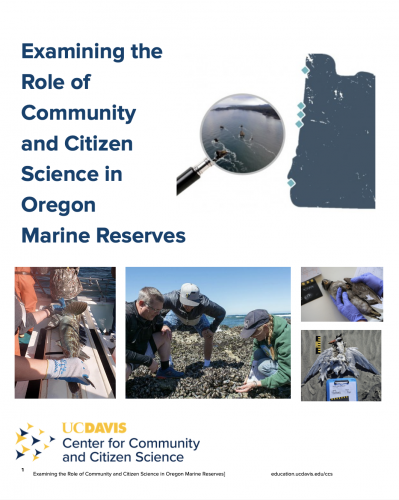
Community and citizen science (CCS) has played a role in marine reserve monitoring throughout the State of Oregon for more than a decade.
Building on ten years of support and partnerhip:
How can California sustain and improve the role of Community and Citizen Science in MPAs?
Together with our partners at the California Academy of Sciences, our MPAs team has submitted a public comment for the April 2023 meeting of the California Fish and Game Commission, urging the state to build on 10+ years of support and partnership, which brought more than 80,000 people into the process of marine protected area monitoring in California.
Project update: Community and citizen science in California’s Marine Protected Areas
Moving forward with our research and expanding into Oregon's Marine Reserve System
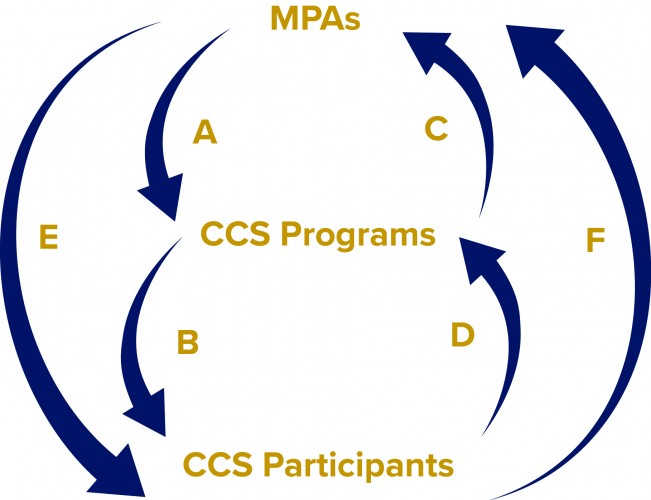
Since submitting our partner report for the Decadal Management Review of MPAs process, we have been working on a second phase of research to dive deeper into some of the dynamics and nuances of the relationships between the MPA Network and community and citizen science (CCS) programs.
New reports on Community and Citizen Science in California’s Marine Protected Areas
The Center’s analyses will inform the California Department of Fish and Wildlife’s Decadal Management Review of MPAs
Since Spring 2021, two project teams at the UC Davis Center for Community and Citizen Science have been collecting and analyzing data related to the contributions of community and citizen science participants in coastal monitoring activities within and surrounding marine protected areas (MPAs) throughout the State of California.
New Book: Citizen Science for Coastal and Marine Conservation
 Co-edited by Dr. John Cigliano and
our Faculty Director, Heidi Ballard, this new volume provides a
broad range of case studies exploring the utility and
feasibility, as well as limitations, of using marine and coastal
citizen science for conservation to leverage these resources and
address these tensions.
Co-edited by Dr. John Cigliano and
our Faculty Director, Heidi Ballard, this new volume provides a
broad range of case studies exploring the utility and
feasibility, as well as limitations, of using marine and coastal
citizen science for conservation to leverage these resources and
address these tensions.
MPAs and Citizen Science in California
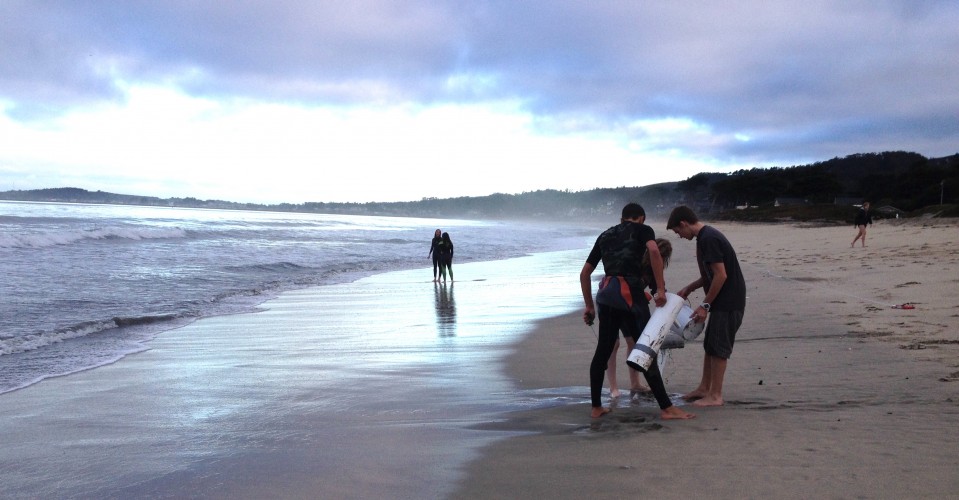
Citizen and Community Science plays a special role in efforts to conserve and manage California’s ocean and coastal resources. There is a huge diversity of projects and programming operating up and down the coast, which engage the public in science and monitoring, often with direct connections to policy and management processes.