
CCS Resources
YCCS Educator Resources from the Center for Community and Citizen Science
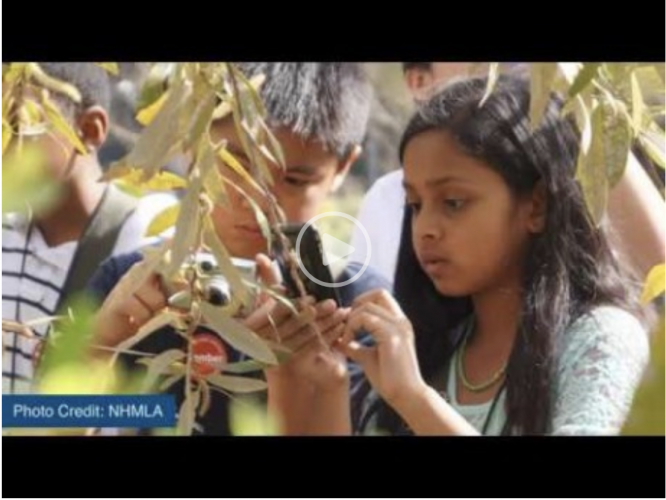
With Youth-focused Citizen and Community Science (YCCS), youth contribute to authentic science. They can do this through data collection, but also interpreting or sharing findings. But what does this mean for science learning? To answer this question, we have been researching implementation of YCCS projects to explore when and how YCCS works best.
PUBLICATION: Elementary students learning through data analysis and sharing findings
Design-based research for community and citizen science in schools
Alexandra Race, a postdoctoral scholar at CCCS, and a research team of fellow post-docs, graduate students in the SOE, and non-profit collaborators recently published Elementary students learning through data analysis and sharing findings: design-based research for community and citizen science in schools.
Practitioner Resources
Center supports for CCS development in communities
We study and support community participation in science through collaborations with scientists, schools, museums, government agencies, nonprofits, and others. Our work expands ideas about who can participate in science and how to make it impactful.
publication: How establishing a marine protected area network has shaped community and citizen science along California’s coast
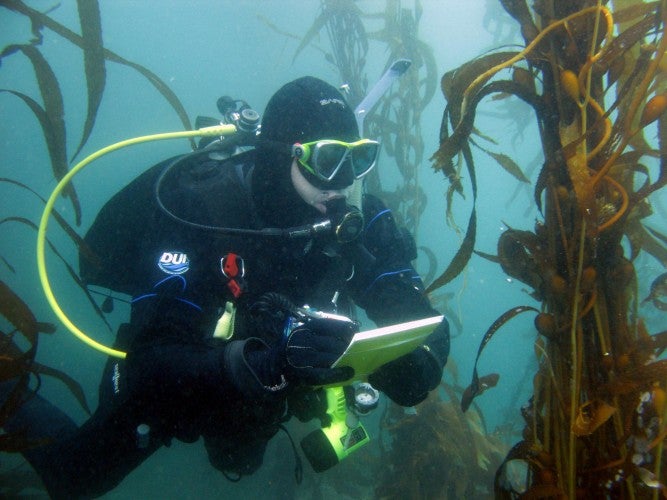 Research and monitoring are key to
measuring the success of adaptive management strategies in marine
conservation. Through community and citizen science (CCS),
volunteers can become involved in various stages of research and
monitoring. CCS can strengthen partnerships, help collect large
amounts of high-quality data, and be a way to achieve education
and stewardship goals. For marine conservation, constantly
changing policy, funding, and other forms of support influence
how CCS is used for research and monitoring.
Research and monitoring are key to
measuring the success of adaptive management strategies in marine
conservation. Through community and citizen science (CCS),
volunteers can become involved in various stages of research and
monitoring. CCS can strengthen partnerships, help collect large
amounts of high-quality data, and be a way to achieve education
and stewardship goals. For marine conservation, constantly
changing policy, funding, and other forms of support influence
how CCS is used for research and monitoring.
PUBLICATION: Elementary students learning through data analysis and sharing findings
Design-based research for community and citizen science in schools
Alexandra Race, a postdoctoral scholar at CCCS, and a research team of fellow post-docs, graduate students in the SOE, and non-profit collaborators recently published Elementary students learning through data analysis and sharing findings: design-based research for community and citizen science in schools.
Practitioner Resource: Supporting Volunteer-Based Monitoring of Human Activities in Watersheds
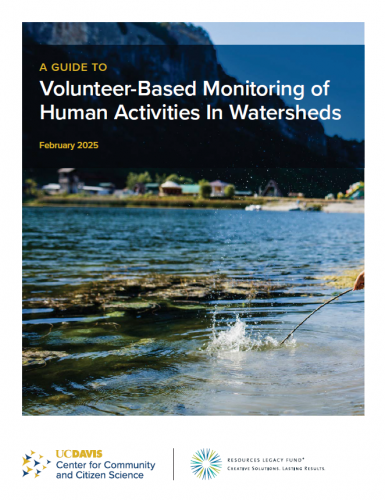
We are excited to announce the release of “A Guide to Volunteer-Based Monitoring of Human Activities in Watersheds,” a resource developed by the UC Davis Center for Community and Citizen Science in collaboration with the Resources Legacy Fund’s (RLF) Open Rivers Fund. This guide emerged from an ongoing project focused on the role that community and citizen science (CCS) can play in dam removal and watershed restoration, and it serves as a companion piece to the CCS manual.
Scientist and Researcher Resources
Center supports for integrating CCS in research
We help scientists build projects that advance knowledge and broaden their impact in society through CCS collaborations.
Training: Your Community and Citizen Science Road Map
March 14, 2025
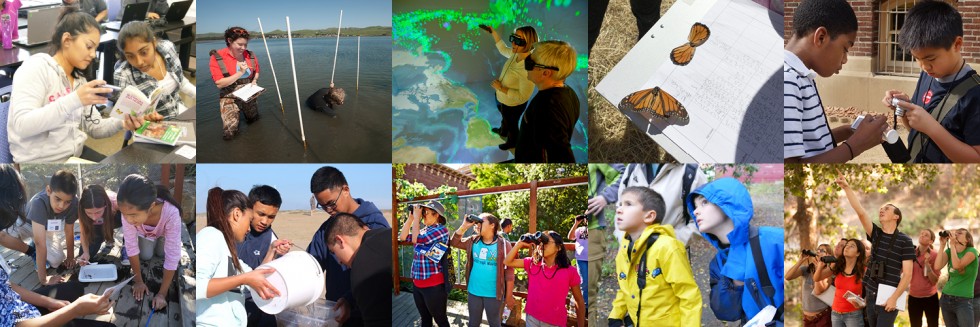 A participatory science
workshop for researchers
A participatory science
workshop for researchers
The Center for Community and Citizen Science invites UC Davis researchers to participate in our community and citizen science (CCS) Roadmap workshop! This free workshop will be held on Friday March 14 from 9:30 am to 1:30 pm at UC Davis School of Education, Room 174.
Report: CCS in Oregon Marine Reserves
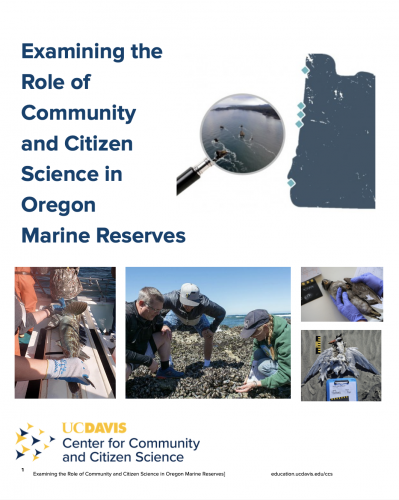
Community and citizen science (CCS) has played a role in marine reserve monitoring throughout the State of Oregon for more than a decade.
Resources on CCS in Farms and Gardens
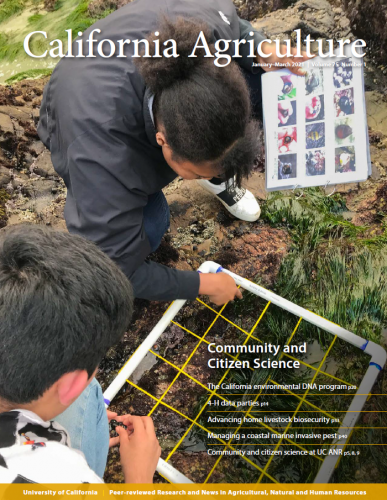
Explore the resources, guides, reports and more that feature utilizing ccs in farm and garden environments.
Student Opportunities
Learning and professional experience for UC Davis students, and beyond
The Center for Community and Citizen Science is dedicated to supporting the learning and professional development of students across disciplines. We offer a variety of ways to engage with our work.
ECL290: A Course On Community And Citizen Science
Spring 2026
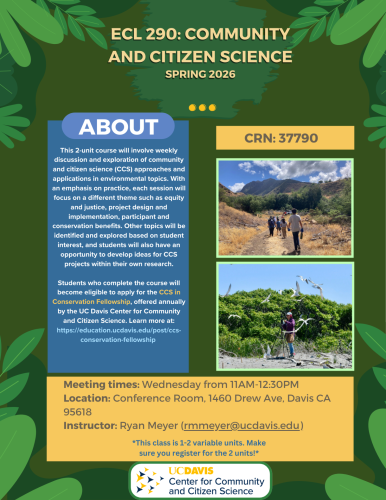
This 2-unit course will involve weekly discussion and exploration of community and citizen science (CCS) approaches and applications in environmental topics. With an emphasis on practice, each session will focus on a different theme such as equity and justice, project design and implementation, participant and conservation benefits. Other topics will be identified and explored based on student interest, and students will also have an opportunity to develop ideas for CCS projects within their own research.