
CCS Salmon in the Classroom
From Showing Up to Stepping Up: Students’ Journeys Through the Spinning Salmon Showcase

Authors: Becca VanArnam, Peggy Harte, and High School Students: Nico, Uzair, Angeline, Juju, and Melody
Cultivating Resilience and Real Science in the Classroom
New Publication with Classroom Science
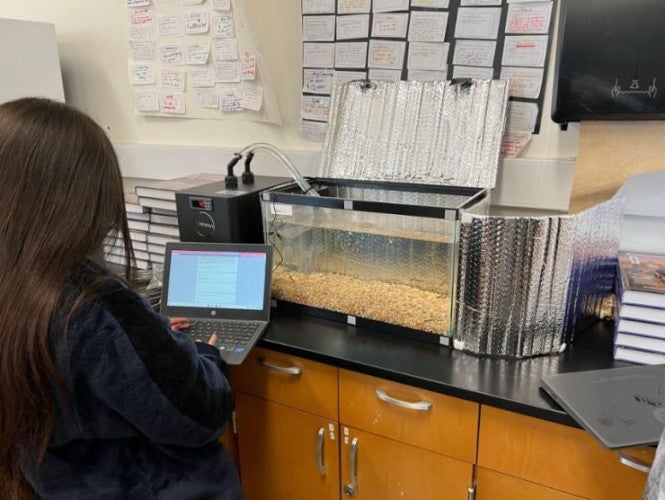
Check out this new publication about the Salmon Project here: https://classroomscience.org/articles/fyi/cultivating-resilience-and-real-science-classroom-frys-network
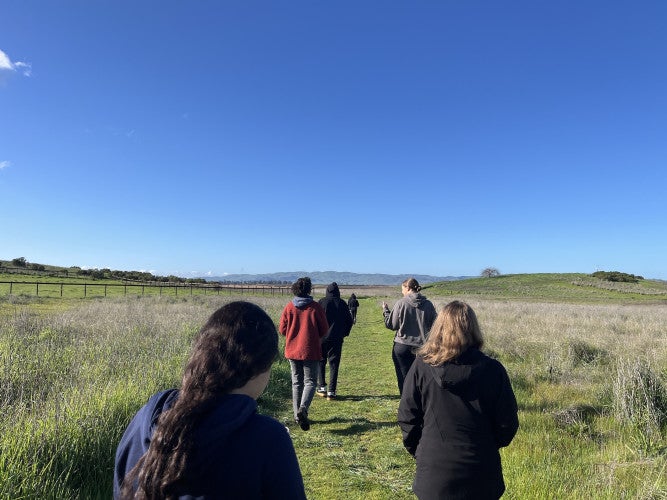
Field Trip to Rush Ranch
Exploring Estuaries, Science, and Language
Authors: Peggy Harte, Becca VanArnam, Kimberly Renae Evans, Carly Davis
The Spinning Salmon Program: Science in the Classroom
A new article by Becca Van Arnam, published by the Delta Stewardship Council
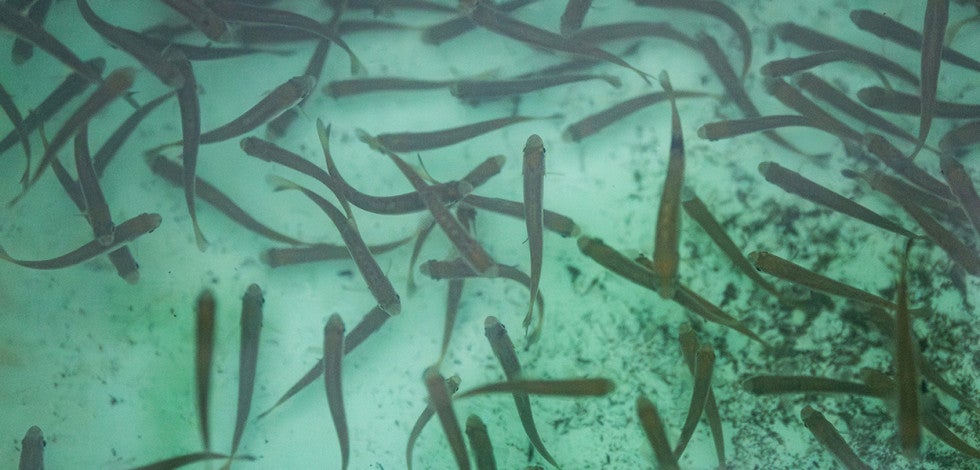
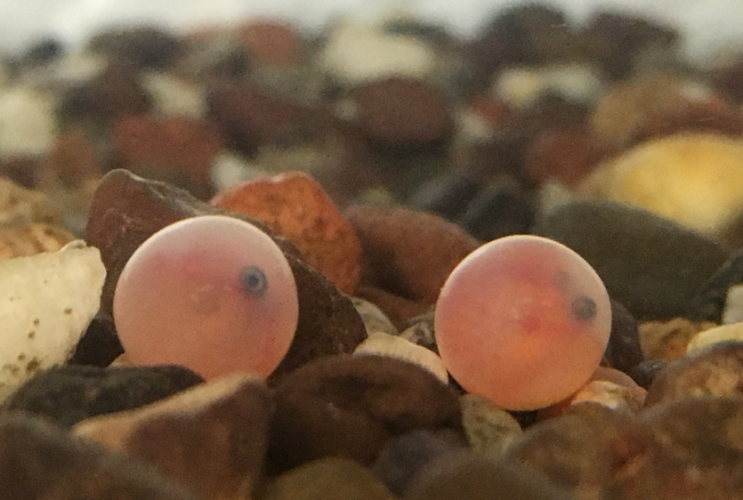
Every fall, thousands of tiny salmon eggs arrive in high school classrooms across Northern California. Students huddle around their tanks, watching closely as the fish hatch, swim, and grow. But this isn’t just about raising fish, it’s about contributing to real science.
Launching Year 5 of the Spinning Salmon Program
What’s New in Year 5
Project Update: Celebrating a new publication and the power of student-scientist partnerships
students team up with scientists to investigate salmon vitamin deficiencies
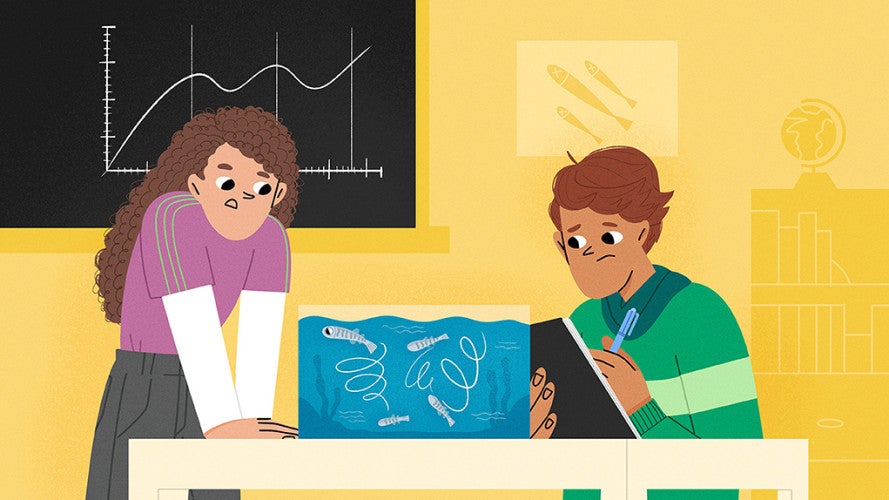
Just a few weeks ago the Spinning Salmon team launched year 5 of this innovative and powerful program. This program has supported high school students from classrooms across Northern California, working with our team at UC Davis, NOAA and CDFW, in joining the scientific effort to understand a troubling trend in our state’s salmon populations. Read more about how these young researchers supported gathering needed data here!
Project Update: Statewide Study Taps 3,000 Students for Salmon Research

As part of the Spinning Salmon Program in collaboration with GEAR UP STEM RVP, more than 3,000 high schoolers’ data collection efforts on Thiamine Deficiency Complex (TDC) in California salmon has led to researchers publishing the a final study pinpointing anchovy dominated diets as the cause of TDC. Read more here about the full impact of this program on K-12 STEM education, giving opportunities for all students to lead, educate, and engage with their communities.
Publication: Widespread thiamine deficiency in California salmon linked to an anchovy-dominated marine prey base
Thiamine (vitamin B1) deficiency (TDC) in marine systems is a significant threat to marine life, especially California’s salmonids. This publication found that thiamine deficiency in California’s salmonids arises from an anchovy-dominated forage based diet and investigates methods to track and mitigate TDC. Studies on Chinook salmon eggs were used to model TDC in certain regions in Northern California. Read the full publication here.
Statewide Study Taps 3,000 Students to Research Thiamine Deficiency that Sets Salmon Spinning
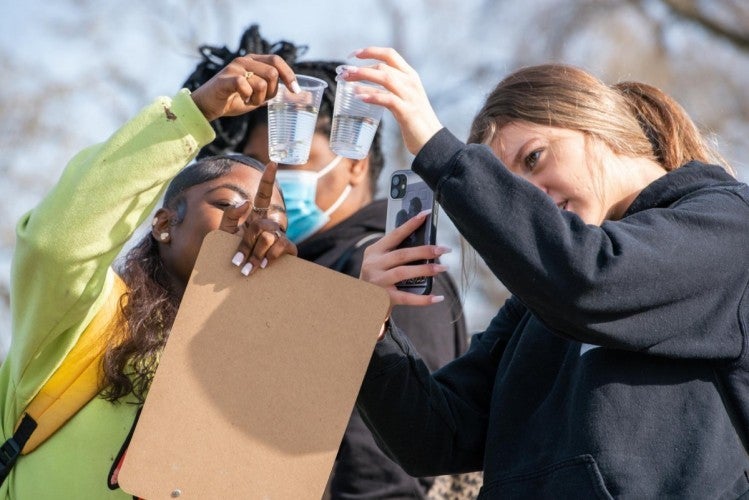 The UC Davis School of Education
recently highlighted the
Spinning Salmon Program and its impact on high school students
and STEM Education. The development of the program over the
years has engaged more students through citizen science, giving
them the opportunity to learn and contribute directly to science
and study salmon thiamine deficiency.
The UC Davis School of Education
recently highlighted the
Spinning Salmon Program and its impact on high school students
and STEM Education. The development of the program over the
years has engaged more students through citizen science, giving
them the opportunity to learn and contribute directly to science
and study salmon thiamine deficiency.
“What would make you proud to present your work?” Spinning Salmon Showcase celebrates student science, storytelling and stewardship
What happens when you invite students who’ve been raising salmon, collecting data, and diving into real-world environmental challenges to share their science with the world?
You get a room full of paper mâché, research posters, dioramas, personal essays, poems, storytelling, and more!
Youth Voices in Action: Advocacy and Outreach in the Spinning Salmon Program
By Peggy Harte, Youth Education Program Manager, UC Davis Center for Community and Citizen Science
When the Spinning Salmon Program launched five years ago, it set out to engage youth in emergent science, spark curiosity and foster a deeper connection between youth and the researchers focused on salmon in California. Through participatory science, the program has done more than build knowledge and engage youth—it has shown young people that they have the skills to take an active role in scientific discovery and environmental stewardship.
2025 Field Trip to the Nimbus Hatchery
Spinning Salmon Students Experience Science in Action at Nimbus Hatchery
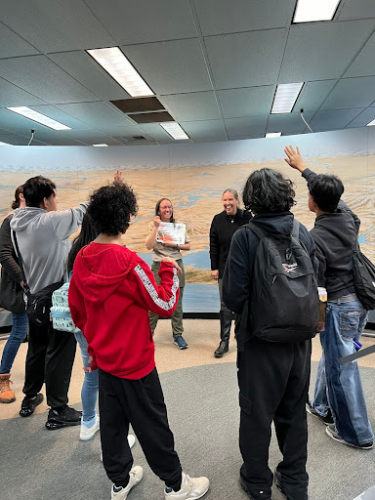 Last week, Youth Education Program
Manager, Peggy Harte, was able to join a group of students
participating in the Spinning
Salmon program, taking their research questions and learnings
into the field with a visit to the Nimbus Fish
Hatchery.
Last week, Youth Education Program
Manager, Peggy Harte, was able to join a group of students
participating in the Spinning
Salmon program, taking their research questions and learnings
into the field with a visit to the Nimbus Fish
Hatchery.
Becca VanArnam Accepted for 2025 Delta Science Fellowship
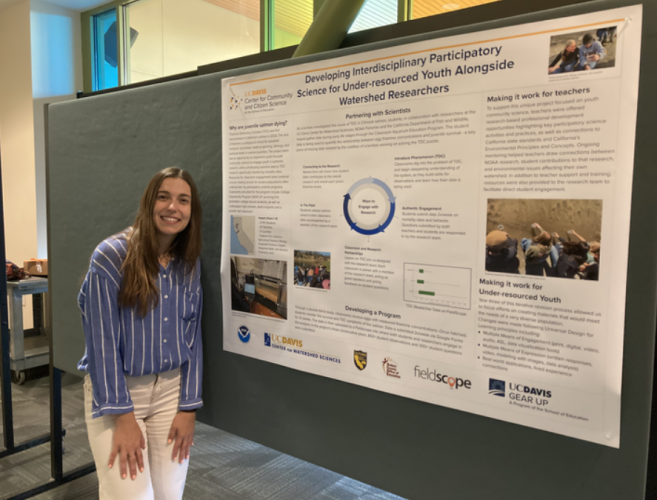 Congratulations to Becca
VanArnam, 2024-2025 Citizen Science in Conservation (CCSiC)
Fellow and Ph.D. student in Science and Agricultural Education,
on being awarded a 2025
Delta Science Fellowship! This program, funded by
California Sea Grant and in collaboration with agency partners
such as the Delta Stewardship Council, assists researchers in the
Sacramento-San Joaquin delta.
Congratulations to Becca
VanArnam, 2024-2025 Citizen Science in Conservation (CCSiC)
Fellow and Ph.D. student in Science and Agricultural Education,
on being awarded a 2025
Delta Science Fellowship! This program, funded by
California Sea Grant and in collaboration with agency partners
such as the Delta Stewardship Council, assists researchers in the
Sacramento-San Joaquin delta.
Project Update: GEAR UP Collaboration Launches Data Collection with FieldScope!
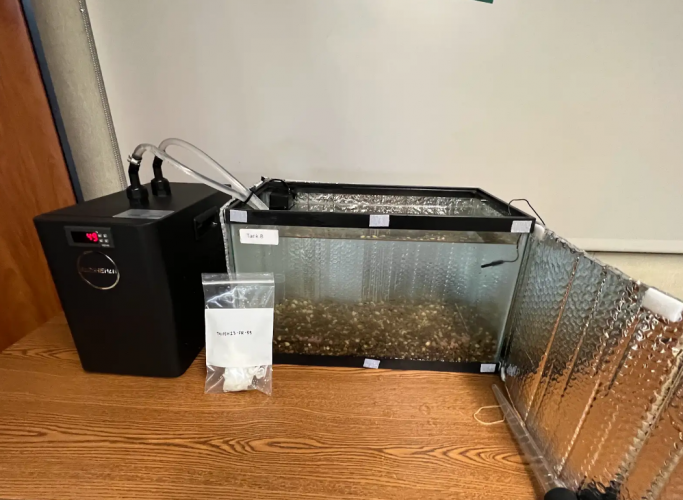 We are excited to share a
significant milestone for the Spinning Salmon Project: the launch
of Year 4 of student-driven data collection in partnership with
the GEAR UP STEM Rural Valley Partnership! This collaboration is
energizing students with 21st-century tools, empowering them to
explore salmon ecology while supporting GEAR UP’s core goals:
We are excited to share a
significant milestone for the Spinning Salmon Project: the launch
of Year 4 of student-driven data collection in partnership with
the GEAR UP STEM Rural Valley Partnership! This collaboration is
energizing students with 21st-century tools, empowering them to
explore salmon ecology while supporting GEAR UP’s core goals:
Feature: Spinning Salmon in California WaterBlog
Peggy Harte, UC Davis Center for Community and Citizen Science, and Abigail Ward, UC Davis Center for Watershed Sciences, team up in California WaterBlog to share about the collaboration between scientists and schools in the Spinning Salmon in the Classroom project.
Project Update: Connecting Classroom Content in Spinning Salmon Field Trips
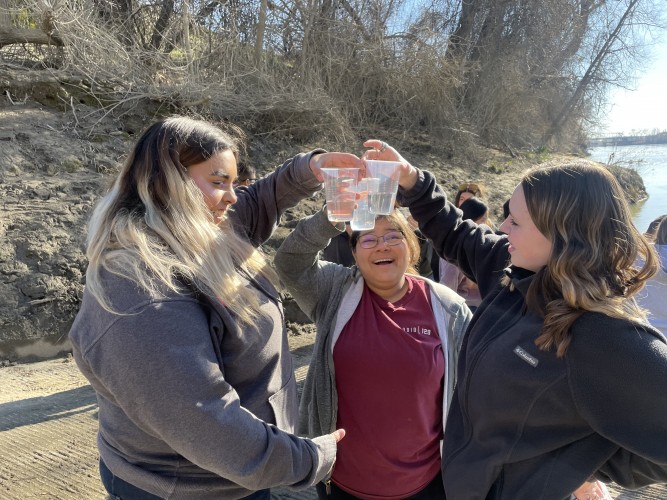
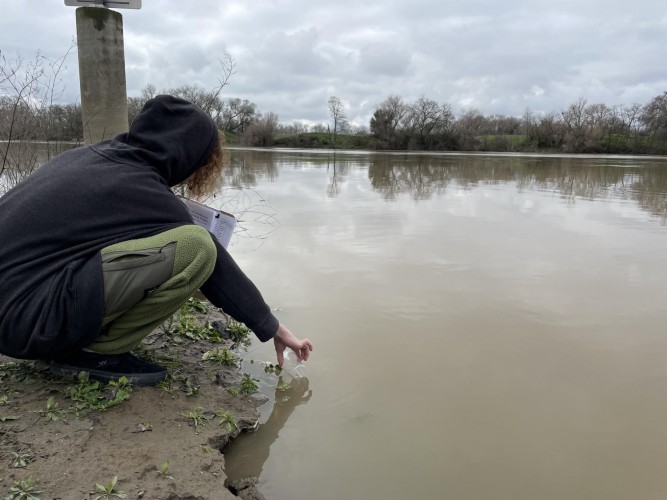 “Bye, Spaghetti!” waved one high
schooler as a tiny Chinook salmon, so named Spaghetti, swam out
of a plastic cup and into the murky Sacramento River.
Across the boat ramp at Riverbend Park in Oroville, students
said their farewells to the alevin in their own cups. This
was the last chance for students to get an up close of the fish
they spent raising in their classroom over the last 6 weeks.
“Bye, Spaghetti!” waved one high
schooler as a tiny Chinook salmon, so named Spaghetti, swam out
of a plastic cup and into the murky Sacramento River.
Across the boat ramp at Riverbend Park in Oroville, students
said their farewells to the alevin in their own cups. This
was the last chance for students to get an up close of the fish
they spent raising in their classroom over the last 6 weeks.
Spinning Salmon, Year Three: Deepening our Collaboration and Community Connections
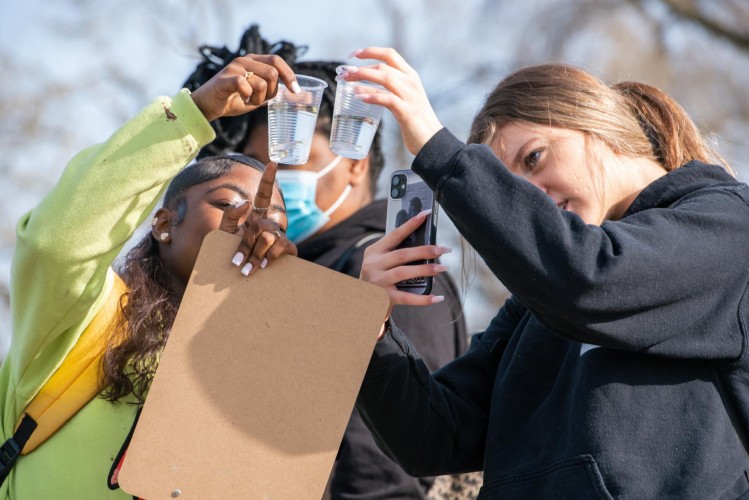
Our Center specializes in helping educators and youth work together on real science – youth-focused community and citizen science. An especially powerful aspect of this approach is the opportunity to help youth connect directly with professional scientists, and with local partners in their own communities who are working on environmental challenges. The story of our Spinning Salmon project shows how these connections can evolve over time, as partnerships develop, and new opportunities for collaboration arise.
Project Update: Field Trips Wrap Up Another Successful Year of GEAR UP Partnership
Starting a collaborative community and citizen science project with high schools is no small feat. Try starting it during the pandemic. That’s what we did with the Center’s collaboration with GEAR UP STEM Rural Valley Partnership Spinning Salmon in the Classroom project. After managing a year of distance learning in 2021 and piloting in-person content in 2022, we had so much we were excited to do this year.
Project Update: Field trips connect to classroom learning
Spinning Salmon in the Classroom Project
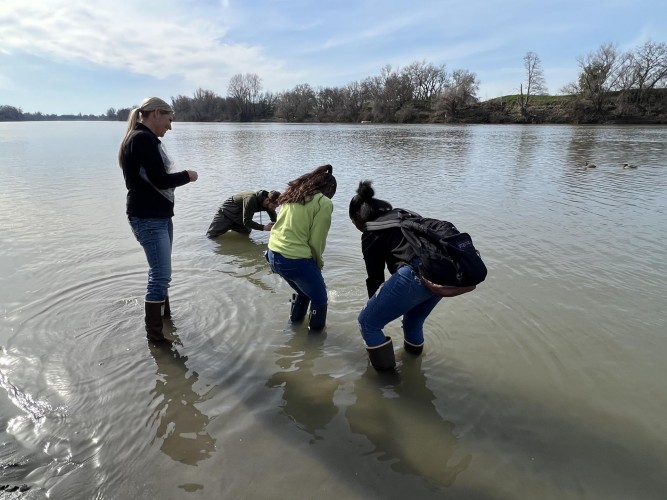
It’s a cold February morning at River Bend Park in Oroville. We’re standing with UC Davis Center for Watershed Sciences’ Carson Jeffres, waiting patiently for the bus to arrive from Red Bluff High School. A truck towing a boat backs down the boat ramp where we’re waiting to meet the high school students that have participated in the Spinning Salmon in the Classroom project this winter.
GRANT AWARDED TO CONTINUE SPINNING SALMON IN THE CLASSROOM
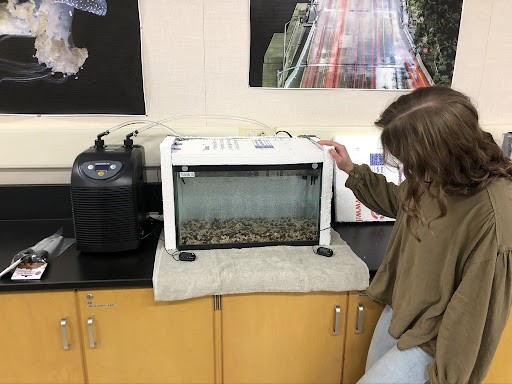
Solano County Office of Education has received a NOAA B-WET grant that will allow for the expansion of the Spinning Salmon program into Solano County through collaboration with the Center for Community and Citizen Science.