Project Duration
2021-present
Location:
Marangu District, Kilimanjaro Region, Tanzania
Goals
- Support Tanzanian Science and English Language Teachers in
pedagogical practices around inquiry models of learning using
school gardens.
- Train teachers in the practices of garden-based learning
while integrating science and English language development.
- Develop campus-based monitoring materials and programming to
support students’ engagement in monitoring biodiversity in their
school garden and surrounding community
- Support Tanzanian goals of maintaining Kiswahili language and
culture while also supporting English Language and 21st Century
skills development.
Background
The UC Davis Center for Community and Citizen Science is proud to
partner with Kuleana Youth
Empowerment and its Director, Catherine Njau, to create
powerful, place-based learning experiences that foster scientific
engagement, environmental stewardship, and youth leadership
across Tanzania and beyond. Through this collaboration, we are
supporting young people in exploring connections between science,
culture, and community, drawing inspiration from our learnings
from campus-based monitoring efforts in California as well as our
observations visiting schools across the Kilimanjaro region in
Tanzania.
Activities
Building on the Center’s experience in co-creating community and
citizen science programs, this partnership emphasizes a
“community first” approach. Alongside educators from across the
region, we have worked together to design activities that start
with young people’s local knowledge, and build on educator’s
goals of connecting science and English instruction through
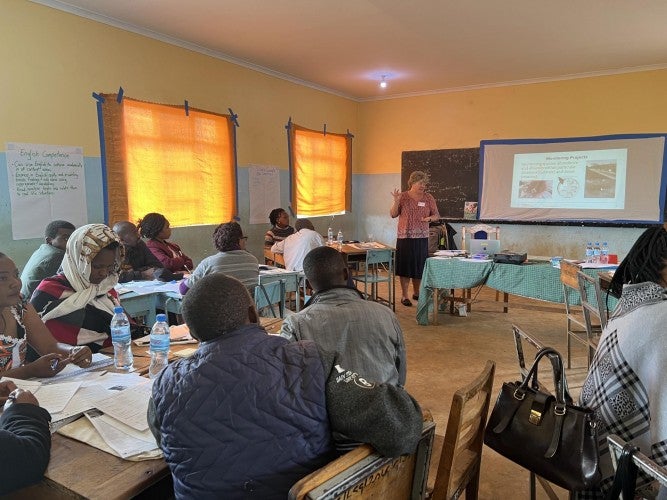
campus observation and data collection. Through in-person teacher
institutes as well as online webinars and student check-ins,
teachers and students explore hands-on investigations of the
natural world around them—whether it’s monitoring local
biodiversity or giving oral presentations about compost.
Through this work, students won’t just learn science—they may
become scientists, community leaders, and advocates. They will
build skills in data collection, observation, and critical
thinking, while also forging strong connections to place,
culture, and each other. At the Center for Community and Citizen
Science, we believe that authentic, meaningful scientific inquiry
can happen anywhere and that youth, when given the opportunity
and support, can drive change in their own communities and
beyond.
The partnership with Kuleana Youth Empowerment reflects our
commitment to fostering a global network of youth-centered,
community-driven science initiatives. We are excited to continue
learning from and with our partners in Tanzania as we build a
more connected, just, and sustainable future. In addition, we see
the potential for this type of collaboration and programming
expanding and serving the goals of the Tanzanian education system
through an expanded system of school gardens providing both
nutrition and learning.
Funders
UC Davis Global Affairs Grant
Partners
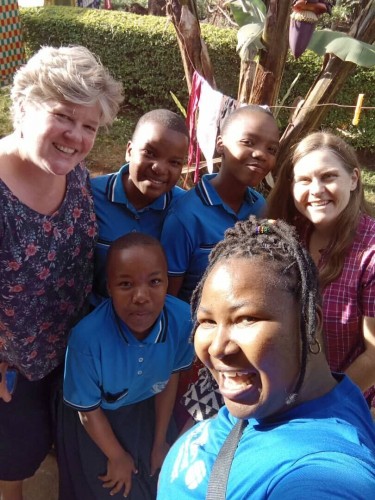
Catherine Njau, Director of Kuleana Youth Empowerment,
Teachers in the Kilimanjaro Region of Tanzania and beyond.


 This Collabinar
features the work between colleagues at the Center of Community
and Citizen Science and Catherine Njau in northeast Tanzania.
Collectively they are working to address educational and
environmental concerns through a co-designed
culturally-responsive and youth-focused community and citizen
science program for teachers and students in schools implementing
garden programs.
This Collabinar
features the work between colleagues at the Center of Community
and Citizen Science and Catherine Njau in northeast Tanzania.
Collectively they are working to address educational and
environmental concerns through a co-designed
culturally-responsive and youth-focused community and citizen
science program for teachers and students in schools implementing
garden programs.